News
-
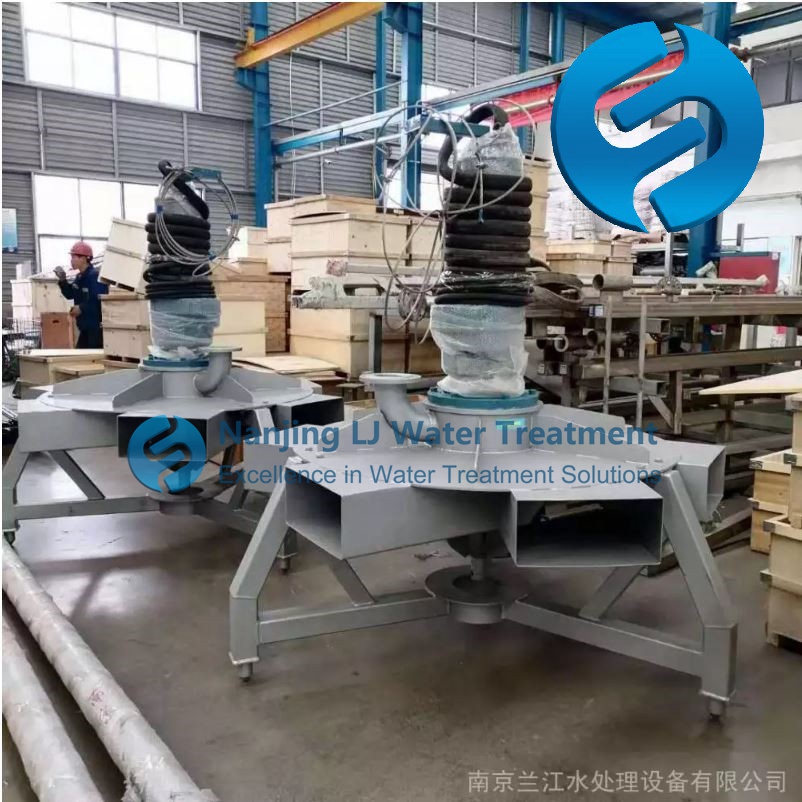
Method for clearing the clogged inlet and outlet ports of the aeration mixer
Blockages at the inlet and outlet ports of an aeration mixer can disrupt stable air flow distribution, reduce dissolved oxygen transfer efficiency, and create uneven mixing patterns across the entire water treatment basin. Without timely and proper intervention, even minor accumulated debris can escalate into increased motor load, abnormal operating vibration, and unexpected interruptions to contiRead more -
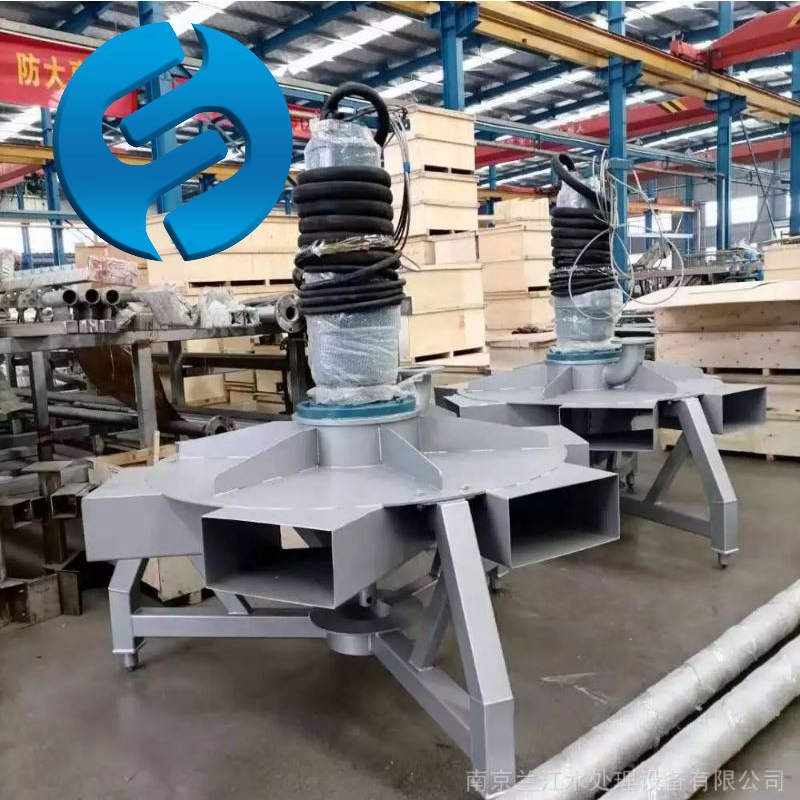
Lubrication and maintenance cycle for the transmission components of the aeration mixer
Proper lubrication of aeration mixer transmission components directly influences operational stability, reduces unnecessary friction loss, and extends the overall service life of core moving parts. Without a structured maintenance schedule, unplanned downtime can increase significantly, while inconsistent lubricant application may lead to uneven wear across gears, chains, and bearing assemblies thRead more -
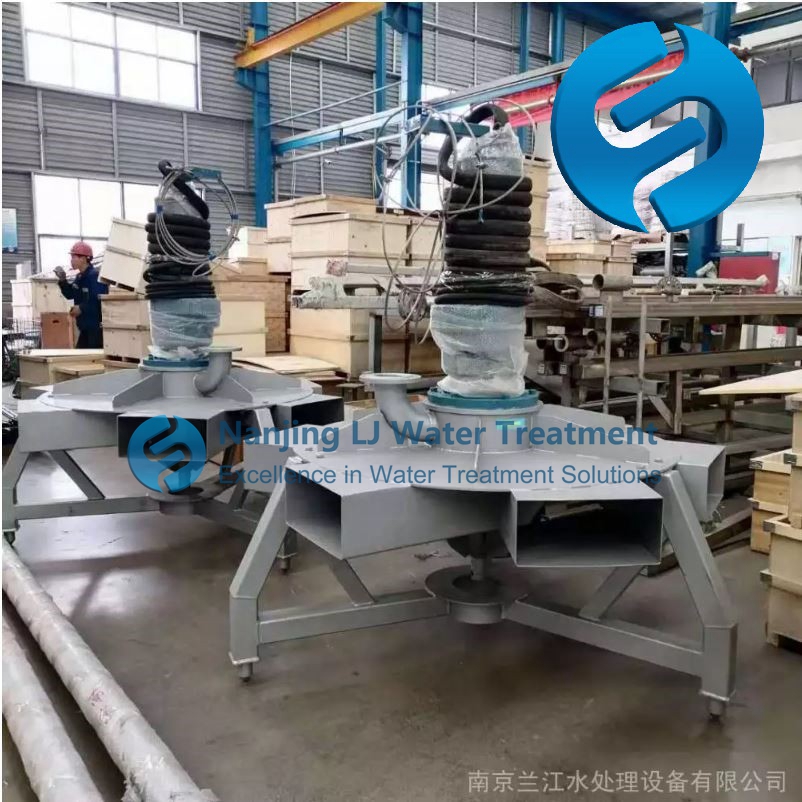
Maintenance key points for the waterproof parts of the aeration mixer motor
Before you carry out any inspection or maintenance work on the motor, always cut off the full power supply from the main distribution panel and confirm there is no residual voltage with a professional testing tool.Read more -
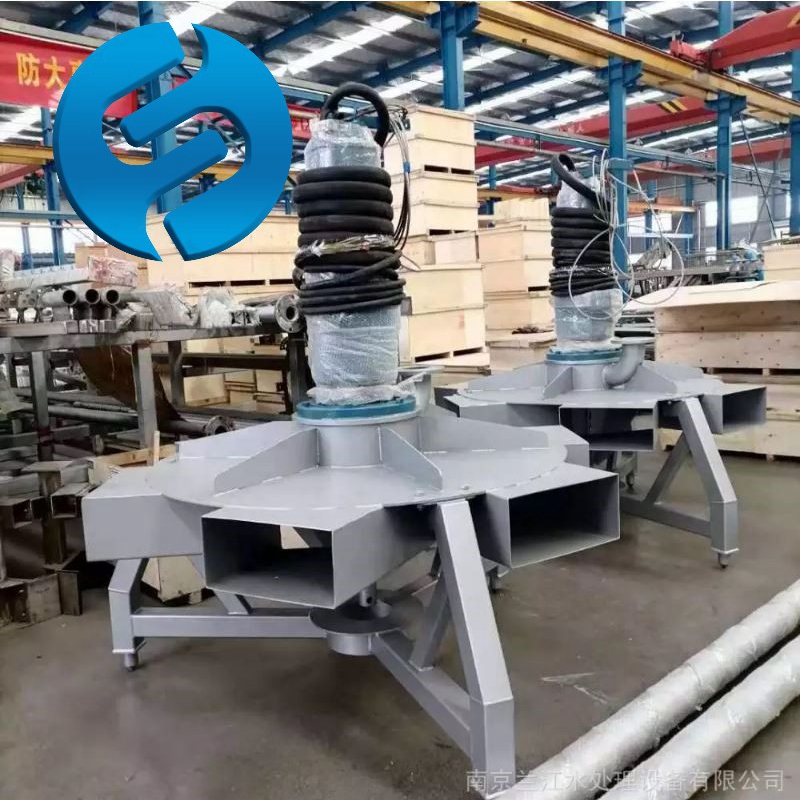
Cleaning techniques for debris entanglement in the impeller of an aeration mixer
Before you start any work on the aerator mixer impeller, always disconnect the full power supply from the main circuit and lock out the power switch to avoid accidental startup during the process. Wear waterproof work gloves, non-slip safety boots and protective goggles to keep yourself safe from sharp debris, wet slippery surfaces and splashing dirty water.Read more -
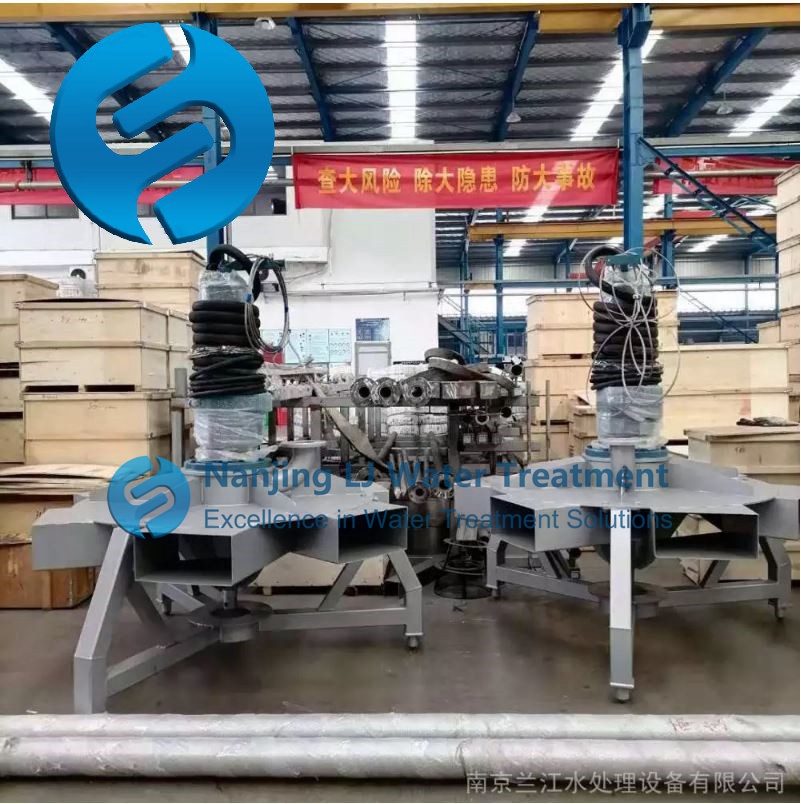
Regular cleaning method for the underwater components of the aeration mixer
Regular cleaning of underwater components for an aeration mixer is essential to keep consistent mixing efficiency and prevent unexpected performance drops during long-term submerged operation. Proper cleaning steps can remove accumulated debris and extend the reliable working life of all parts that stay in constant contact with water.Read more
