News
-
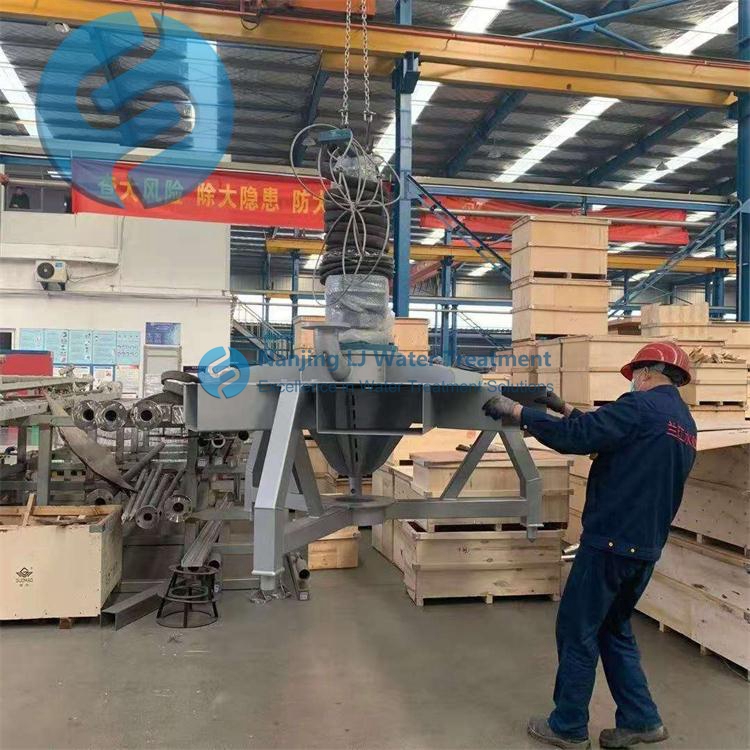
Regular maintenance and inspection of the impeller bearings of the aeration mixer
Regular scheduled maintenance for aeration mixer bearings is a critical practice that preserves long-term equipment reliability, prevents unplanned downtime, and maintains consistent mixing and oxygen transfer performance in water treatment systems.Read more -
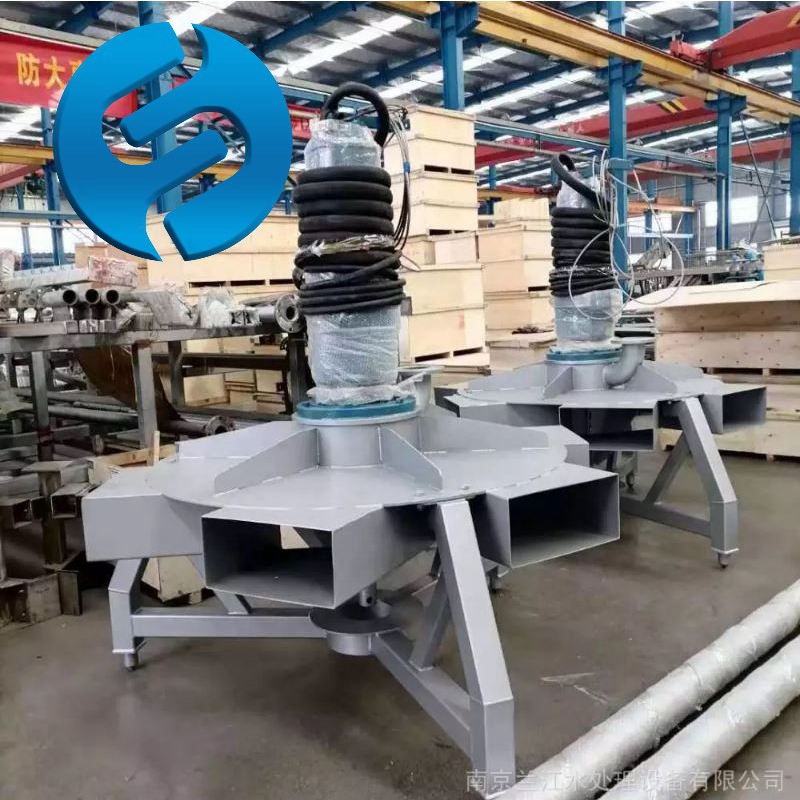
Inspection and maintenance of aging cable for aeration mixer
Routine aging inspection and targeted maintenance of submersible mixer power and signal cables are essential to prevent unplanned downtime and maintain operational safety in submerged process environments. These cables operate under constant mechanical stress, fluctuating water pressure, and prolonged exposure to corrosive dissolved substances that gradually degrade internal and external structuraRead more -
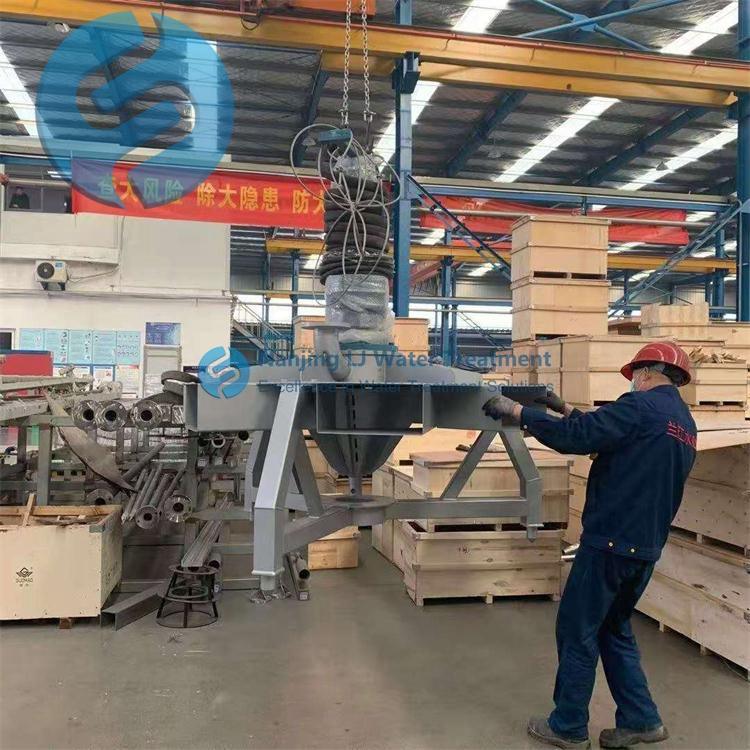
Maintenance of the anti-corrosion coating of the aeration mixer housing
Proper corrosion protection and routine cleaning of submersible mixer housings are critical to sustaining long operational life in harsh water and wastewater environments.Read more -
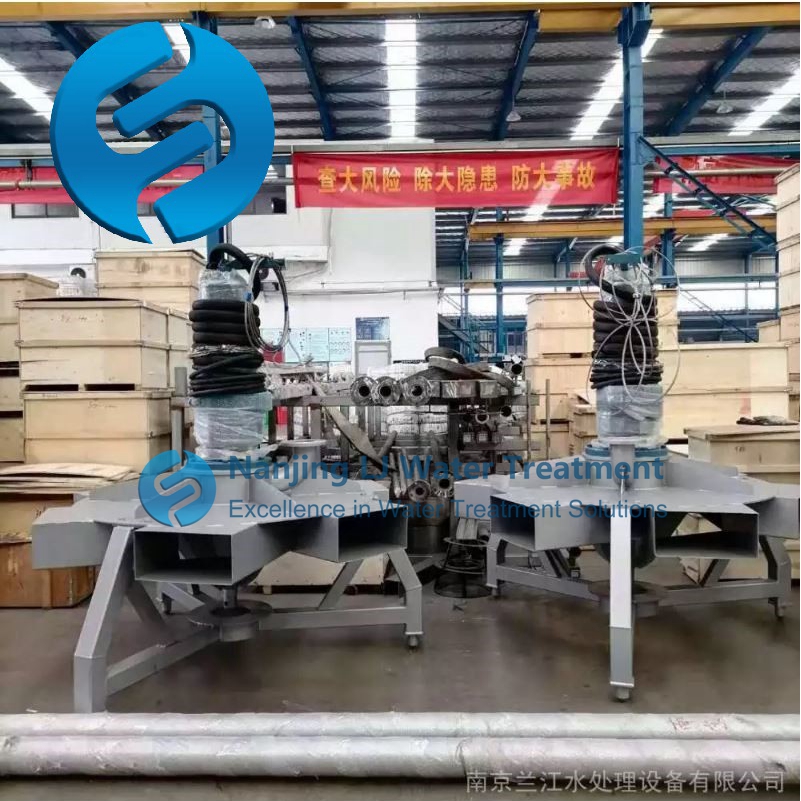
Aeration mixer seasonal activation inspection procedure
Pre-season commissioning inspections for aeration mixers eliminate hidden risks that accumulate during months of inactivity, ensuring stable performance the moment the unit is reintroduced to water. Many operational disruptions that occur right after seasonal startup stem from overlooked small checks, rather than major mechanical failures that develop during active use.Read more -
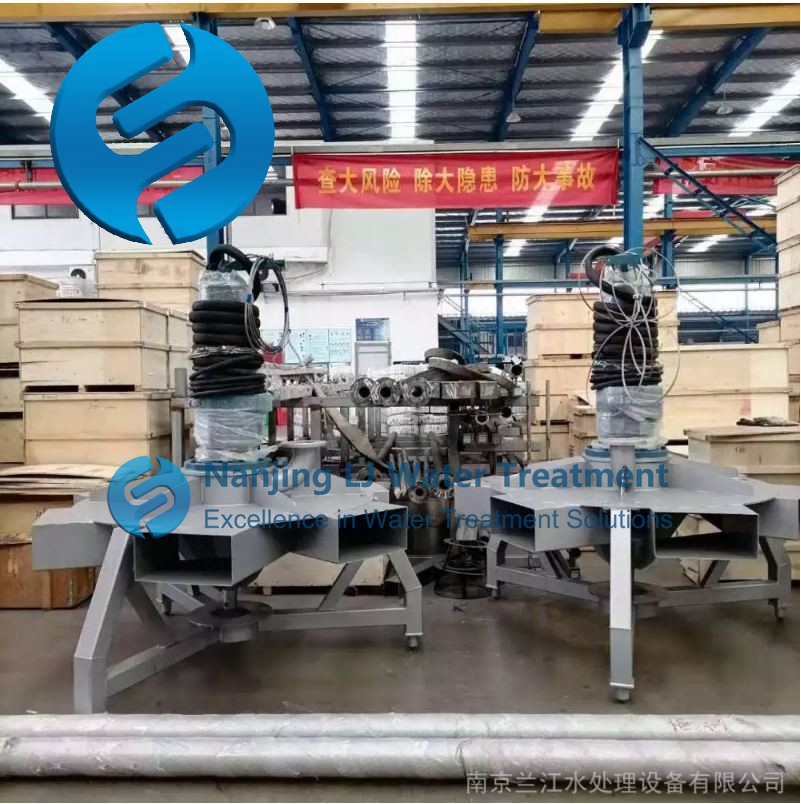
Maintenance measures for long-term shutdown and storage of the aeration mixer
Proper long-term storage care for aeration mixers directly prevents unnecessary component degradation that often leads to unexpected failures when the unit is restarted after weeks or months of inactivity. Many facilities overlook small, critical steps during shutdown, which can turn a temporary pause in operation into costly repairs and extended downtime later on.Read more
