Proper corrosion protection and routine cleaning of submersible mixer housings are critical to sustaining long operational life in harsh water and wastewater environments. Over extended runtime, the outer casing of these units is continuously exposed to abrasive suspended solids, corrosive dissolved chemicals, and fluctuating temperature cycles that gradually degrade surface integrity. Without consistent care, even high-grade metal surfaces can develop micro-pitting, biofilm buildup, and localized corrosion that weakens structural rigidity and creates pathways for moisture intrusion into internal electrical components.
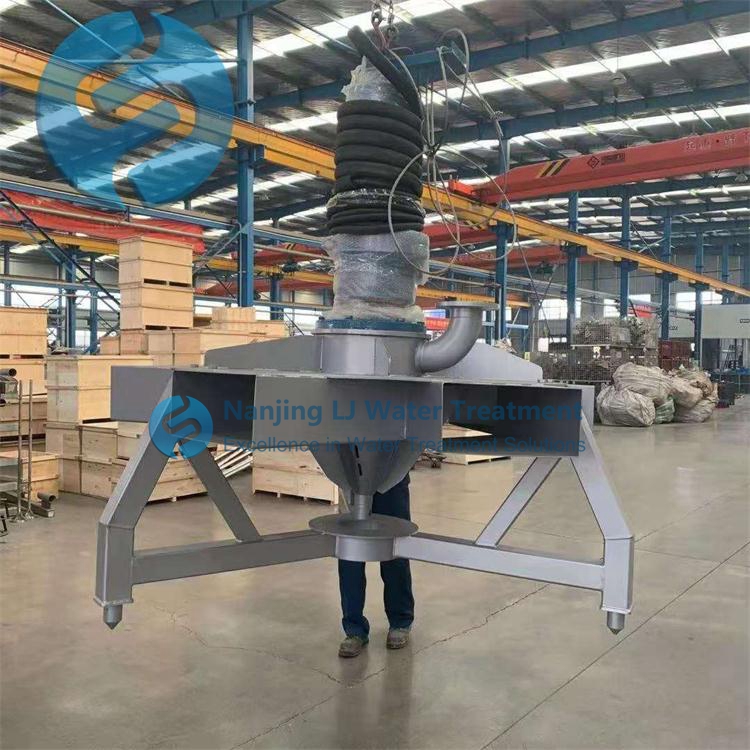
Establishing a structured inspection routine before any cleaning or maintenance work begins helps operators identify early warning signs of surface degradation without unnecessary disassembly. During each scheduled check, teams should first isolate the unit from all power sources and confirm full lockout-tagout compliance to eliminate electrical hazard risks. Visual assessments should focus on weld seams, flange connection points, and areas where the housing meets the mounting base, as these zones are most prone to concentrated corrosion stress. Operators should also check for subtle discoloration, faint surface cracking, and residual organic fouling that often accumulates along the lower edges of the submerged casing.
Safe and effective surface fouling removal procedures rely on non-abrasive techniques that lift away contaminants without damaging the original corrosion-resistant base layer. For light layers of biofilm, sludge, and loose mineral deposits, low-pressure water rinsing paired with soft, non-metallic bristle brushes can clear surface material without scratching the housing finish. When encountering tightly adhered inorganic scale or aged biological residue, operators can use pH-neutral, biodegradable cleaning solutions formulated to dissolve mineral buildup without etching metal surfaces. All rinsate and dissolved waste material must be contained and disposed of in full compliance with local environmental discharge regulations to prevent unintended contamination of process water.
Targeted corrosion protection touch-up work restores the housing’s barrier properties after all surface contaminants have been fully removed. Any small areas of exposed base metal revealed during cleaning should be lightly abraded with fine-grit non-woven abrasive pads to create a smooth, clean surface profile. The prepared area must then be fully dried to eliminate all trapped moisture before applying successive layers of compatible corrosion-resistant coating material. Each coating layer should be allowed to cure fully according to technical specifications before the next application, ensuring uniform adhesion and a continuous, pinhole-free protective film that seals the housing surface from direct contact with corrosive process fluids.
Ongoing post-maintenance operational monitoring ensures that cleaning and corrosion protection work delivers sustained performance benefits through full duty cycles. After the mixer is returned to service, operators should track casing surface temperature trends, unit vibration levels, and overall power draw over the first 72 hours of continuous operation to confirm no unintended issues were introduced during maintenance. Regular log entries that document cleaning dates, surface condition observations, and corrosion protection touch-up scope create a clear performance history that supports proactive planning for future service intervals. This consistent, detail-focused approach to housing care prevents unplanned downtime and preserves the structural reliability of submersible mixing equipment across years of continuous heavy-duty operation.
Post time:2026-08-19
