Routine aging inspection and targeted maintenance of submersible mixer power and signal cables are essential to prevent unplanned downtime and maintain operational safety in submerged process environments. These cables operate under constant mechanical stress, fluctuating water pressure, and prolonged exposure to corrosive dissolved substances that gradually degrade internal and external structural integrity over thousands of runtime hours. Without systematic checks, subtle signs of aging can evolve into unexpected insulation failure, signal disruption, or moisture ingress that compromises the entire mixer system.
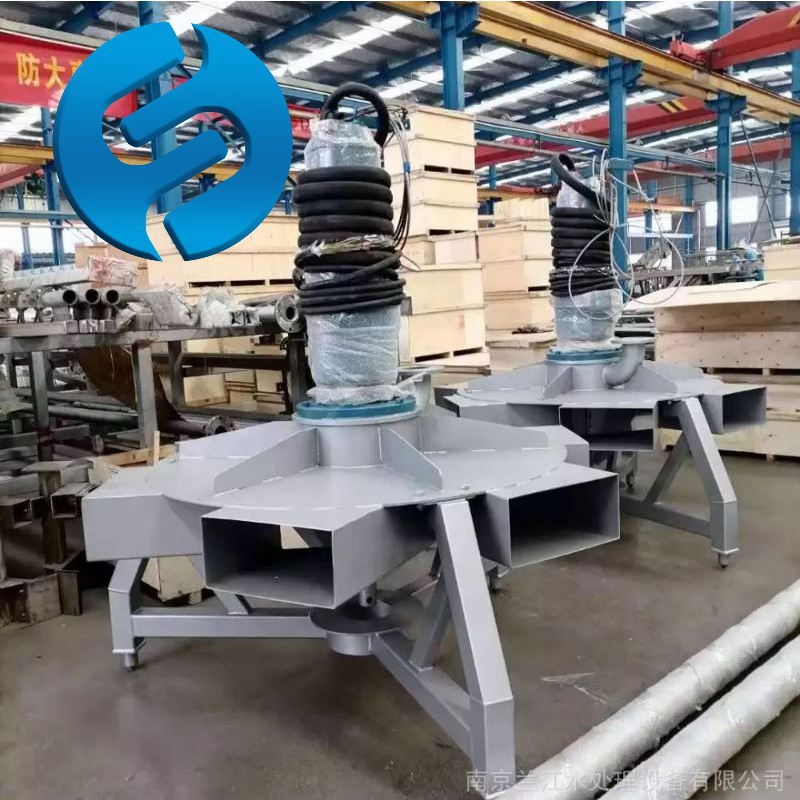
Pre-inspection safety protocols form the foundation of every reliable cable aging assessment to eliminate electrical and physical hazards before any hands-on work begins. All connected power supplies must be fully disconnected and secured with verified lockout procedures to prevent accidental energization during the inspection process. Teams should first confirm that the mixer unit is properly secured at a stable, accessible position away from moving process flows, to avoid unintended tugging or tension on cable connections during the check. Any residual surface moisture on cable entry points should be wiped away before starting visual assessments, to ensure clear visibility of connection interfaces and outer jacket surfaces.
Comprehensive visual and tactile aging assessment covers every segment of the cable path from the external junction point all the way to the mixer housing entry seal. Operators run their hands along the full length of the cable to feel for subtle bulges, localized hardening, or uneven softening of the outer jacket that signal underlying insulation degradation. Special attention is paid to sections that pass near mounting brackets, sharp structural edges, or areas of repeated bending during mixer position adjustments, as these high-stress zones develop fatigue cracks long before other segments. Inspectors also look for tiny surface fissures, discoloration, and sticky residue on the jacket surface that indicate prolonged chemical exposure and advanced material aging.
Targeted electrical performance verification validates internal cable condition beyond what external visual checks can reveal. Trained technicians conduct continuity testing across all conductor paths to confirm no hidden wire strand breakage has developed from repeated flexing or long-term vibration exposure. Insulation resistance testing is performed at appropriate voltage levels to measure the integrity of the dielectric barrier between individual conductors and the outer protective shield, identifying gradual breakdown trends that signal approaching end-of-life for the cable. All measured values are compared against baseline reference data collected at the start of operation, to spot slow, incremental degradation that would not be visible in a single isolated test.
Focused maintenance and corrective care for identified aging signs extends cable service life and prevents minor issues from escalating into full system failure. Minor surface abrasions that have not penetrated the full jacket thickness can be wrapped with compatible self-amalgamating sealing layers to restore the outer environmental barrier and block moisture contact. Loose or corroded cable gland connections at the mixer housing are carefully disassembled, cleaned of all oxidation residue, and re-torqued to specified values to maintain a fully watertight seal that prevents water intrusion at the entry point. After all maintenance steps are completed, the cable path is re-routed if needed to eliminate sharp bends, excessive tension, and continuous rubbing against hard structural surfaces, reducing unnecessary mechanical stress that accelerates future aging.
Post time:2026-08-19
