News
-
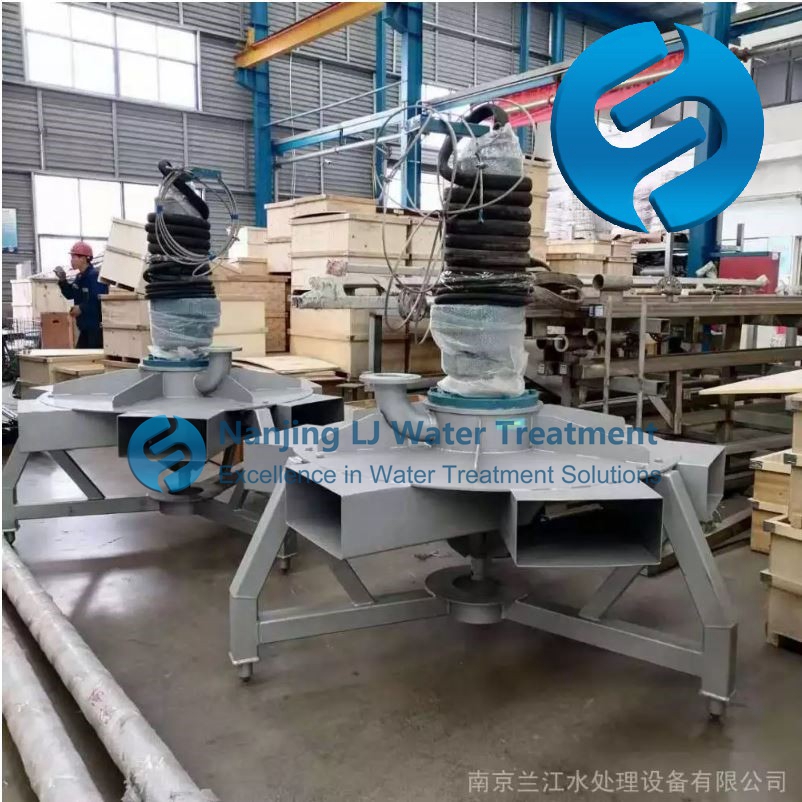
Standard for Improving Oxygen Dissolution Efficiency of Aeration Mixers
When working to boost dissolved oxygen transfer in any water treatment or aquaculture system, following clear, field-tested efficiency standards helps you avoid wasted energy and inconsistent water quality results. Many operators make incremental tweaks to their aeration setup without referencing established performance benchmarks, leading to months of unnecessary high electricity use and persisteRead more -
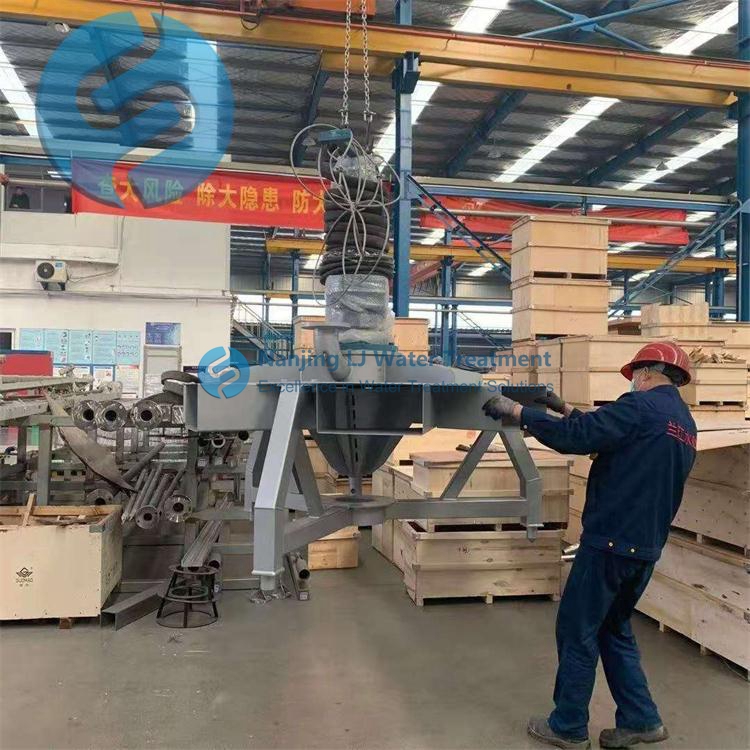
The operating speed of the aeration mixer affects the aeration effect.
When optimizing aeration mixer performance, operating rotational speed stands out as one of the most adjustable, high-impact variables that directly shapes every part of gas-liquid interaction in the water body. Many operators set speed to a fixed value at installation and never adjust it again, missing out on easy, no-cost tweaks that can boost oxygen transfer and mixing uniformity significantly.Read more -
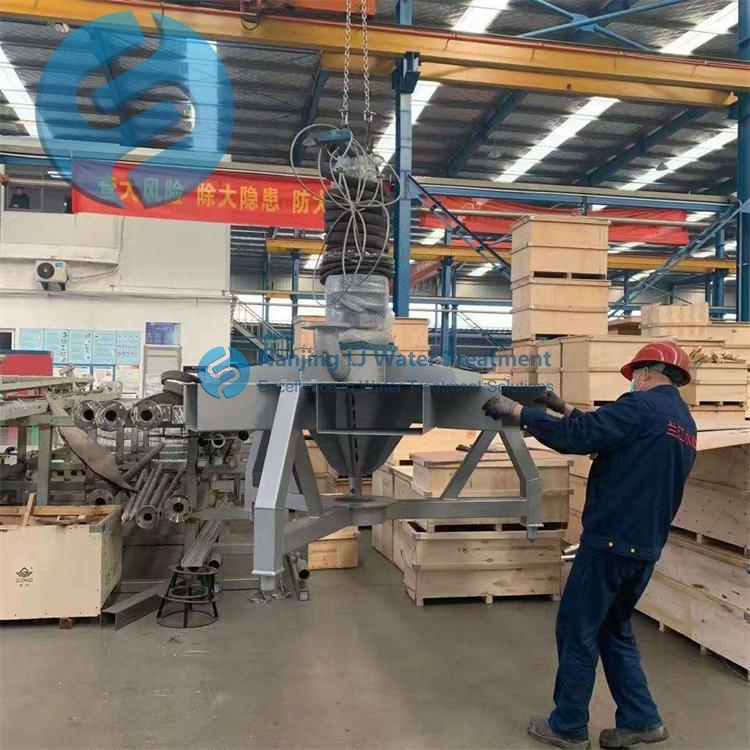
The rated power of the aeration mixer is matched to the size of the water area.
When sizing an aeration mixer for your water body, matching its rated power to the actual water area and depth is the most critical step to avoid wasted energy and poor oxygen distribution. Many property owners and site managers make the mistake of over-sizing units to “be safe,” which drives up unnecessary electricity costs without delivering better water quality results. Others select underpowerRead more -
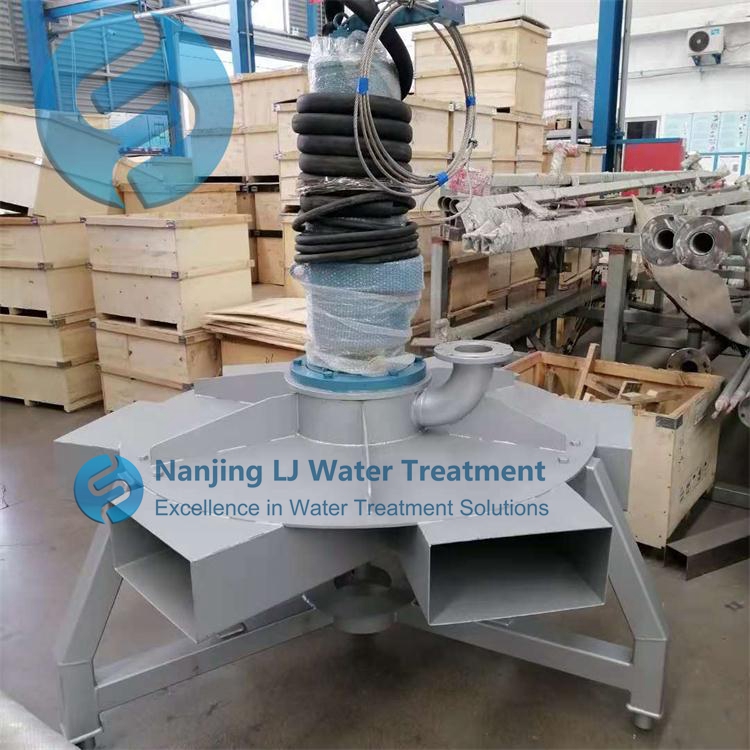
Aeration mixer water body stirring radiation area
The area influenced by water mixing extends outward from each bubble release point in predictable patterns that depend on water depth, basin shape and mixing intensity. This influence area forms through energy transfer that moves water far beyond the visible bubble plume, creating overlapping coverage zones that eliminate unmixed pockets.Read more -
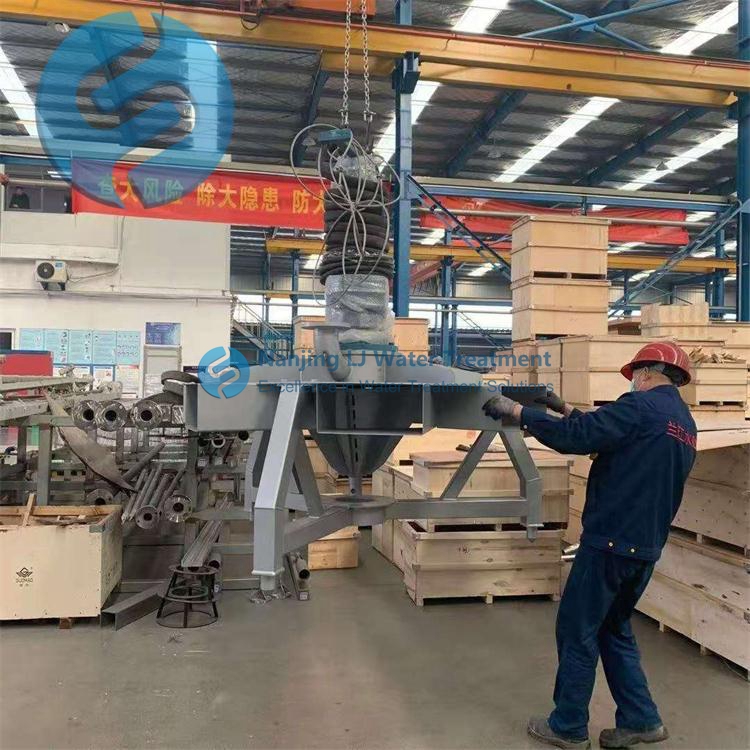
The effective aeration coverage area of the aeration mixer
The effective coverage area of aeration mixing extends far beyond the immediate bubble plume, reaching distant parts of the water body through engineered flow patterns that distribute oxygen and mixed water efficiently. This extended reach comes from how the initial energy input creates self-sustaining circulation loops, rather than relying solely on direct bubble contact with every water moleculeRead more
