When optimizing aeration mixer performance, operating rotational speed stands out as one of the most adjustable, high-impact variables that directly shapes every part of gas-liquid interaction in the water body. Many operators set speed to a fixed value at installation and never adjust it again, missing out on easy, no-cost tweaks that can boost oxygen transfer and mixing uniformity significantly. The right speed does not stay the same across all conditions, as it shifts with water temperature, organic load, and even the time of day to match real-time system needs.
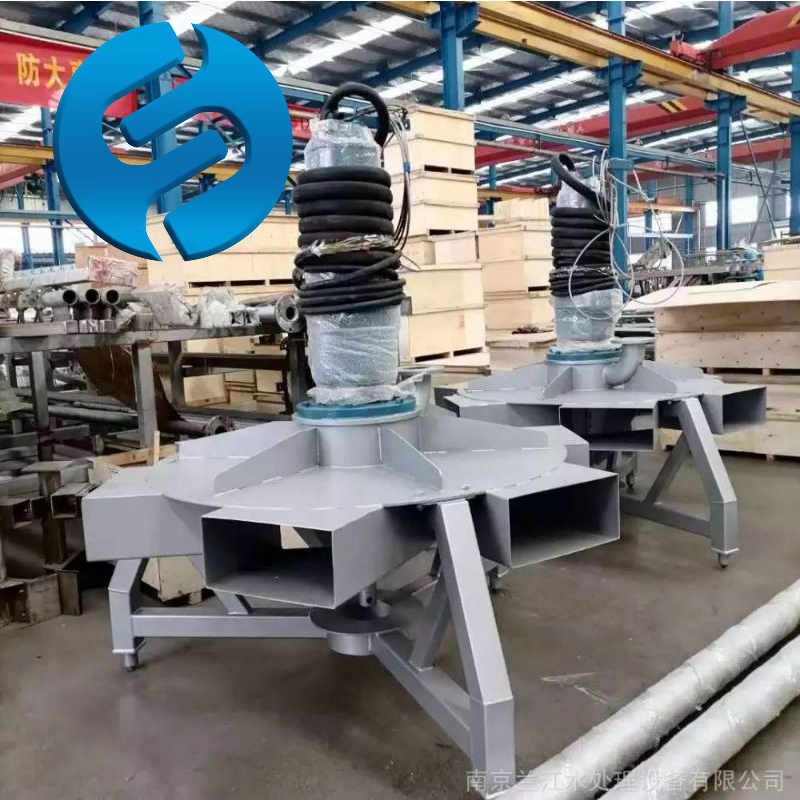
Low critical speed range for gentle, high-efficiency gas dispersion
Running the aeration mixer at a carefully calibrated low critical speed creates a stable flow field that pulls gas into the water without generating excessive, energy-wasting surface splashing. At this speed, bubbles stay small enough to have a large total surface area for oxygen transfer, but not so tiny that they get trapped in stagnant water layers and never circulate through the full water column. This speed range works especially well for non-Newtonian, high-viscosity fluids that often show poor gas holdup when mixed at higher rotational speeds. Operators working with thick sludge or high-CMC process water find that this low speed lets the mixer pull in consistent volumes of gas while avoiding the shear forces that break apart delicate floc structures in biological treatment systems. The slow, steady rotation also creates a wide, gentle flow pattern that prevents sediment from being stirred up from the bottom of shallow basins, keeping water clarity high while still delivering enough dissolved oxygen to support microbial activity.
Mid-range speed for balanced mixing and uniform oxygen distribution
Moving the operating speed up to a mid-range level creates stronger horizontal and vertical flow that eliminates thermal stratification in deeper water bodies, even during the hottest summer months. At this speed, the mixer pushes oxygen-rich surface water down to the benthic zone, breaking up the low-oxygen dead layers where anaerobic bacteria produce unwanted odors and release stored nutrients back into the water. This speed range also increases the total void fraction of occluded gas across the entire tank, making sure no corner of the basin is left with zero bubble contact. For systems that handle variable organic loading, this mid-range setting acts as a reliable default that balances energy use with performance, working well for aquaculture ponds, stormwater basins, and standard municipal lagoons alike. Many operators run this speed setting during peak daylight hours, when aquatic plants consume large amounts of carbon dioxide and pull dissolved oxygen levels down quickly across the whole water volume.
High operating speed for high-demand, short-cycle aeration tasks
Cranking the mixer up to a higher rotational speed delivers a sharp spike in gas holdup and shear force that works best for short, targeted cycles when oxygen demand spikes far above normal baseline levels. This speed generates extremely fine bubbles that travel long distances through the water, making it perfect for handling sudden organic load shocks after heavy rain events or during seasonal harvest periods in aquaculture. The high shear at this speed also breaks apart large, trapped gas pockets that can build up in thick foamy layers on the water surface, releasing trapped oxygen back into the main flow instead of letting it escape directly to the atmosphere. Operators usually only run this high speed for a few hours at a time, as it uses more energy and can create unnecessary turbulence if left on 24/7. When paired with real-time dissolved oxygen sensors that trigger speed increases automatically, this high setting only activates exactly when it is needed, preventing wasted energy while still handling unexpected demand surges before water quality issues can develop.
Even small, incremental changes to rotational speed can create measurable shifts in bubble size distribution, gas holdup, and overall flow pattern across the entire basin. Testing different speed settings over several days, while tracking dissolved oxygen levels at multiple depths, will reveal the exact sweet spot that works best for your unique water body conditions.
Post time:2026-07-29
