Increasing dissolved oxygen levels in water through aeration mixing does not rely on pumping more air into the system, but on improving the efficiency of natural oxygen transfer pathways that are normally limited by poor water movement and sharp density barriers. This approach maximizes the amount of oxygen that actually stays dissolved in the water, rather than letting most of it escape back to the atmosphere before reaching the zones that need it most.
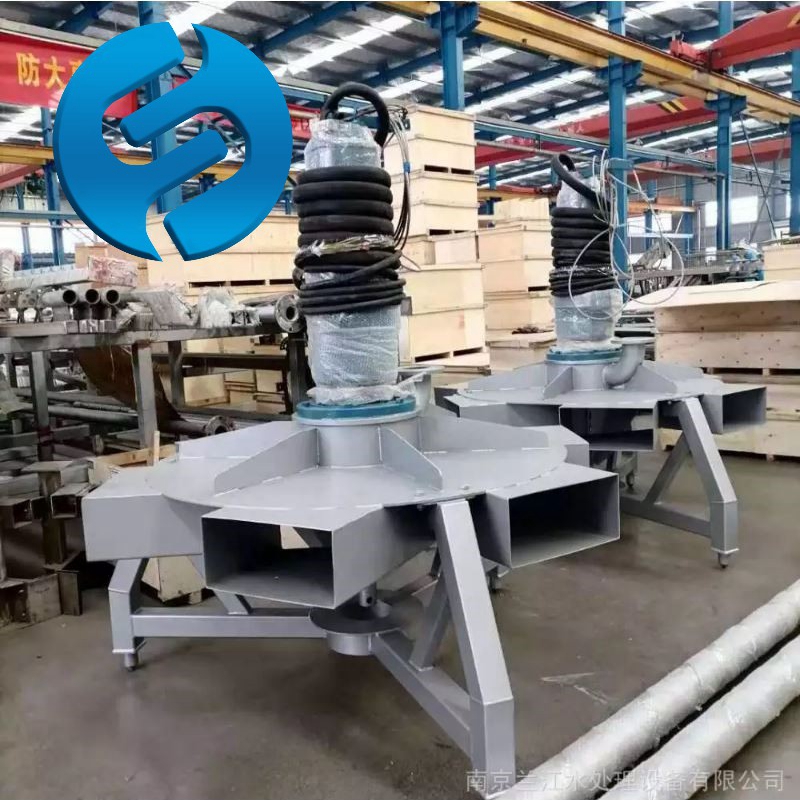
Extended Bubble Residence Time for Complete Gas Transfer
Small, slow-rising bubbles created by efficient dispersion systems take far longer to travel from the release point to the water surface compared to large, fast-moving bubbles. This extended travel time lets oxygen molecules diffuse fully into the surrounding water across the entire bubble surface, instead of rushing to the surface with most of their gas content still trapped inside. The gentle upward flow also keeps these bubbles moving in looping, indirect paths that stretch their total travel distance, adding even more contact time between gas and liquid.
The result is a much higher percentage of oxygen from the injected air actually dissolving into the water, rather than bubbling straight through and escaping back to the atmosphere. This means less total air input is needed to achieve the same dissolved oxygen target, reducing energy use and preventing excessive surface disturbance that can disrupt some aquatic habitats.
Direct Oxygen Delivery to Low-Oxygen Deep Zones
In stagnant, stratified water, surface aeration can only boost dissolved oxygen in the top few centimeters, leaving deeper layers completely untouched for months. Submerged aeration releases oxygen-rich bubbles directly into the low-oxygen bottom layers, bypassing the density barriers that would normally stop surface oxygen from reaching these areas. The oxygen dissolves into the deep water immediately, without having to travel through multiple layers where it would get consumed or lost along the way.
This direct injection also creates a continuous upward flow that carries the newly oxygenated water toward mid-depth zones, spreading the oxygen benefit across a much larger portion of the water column. There is no need to wait for slow, inefficient natural diffusion to move oxygen down from the surface, which can take weeks even in moderately deep water bodies.
Circulation-Driven Oxygen Distribution to All Corners
Once oxygen dissolves into the water near the release point, the natural flow patterns created by the mixing action carry it to every part of the water body, including distant corners and hidden pockets that never see any surface aeration effect. This circulation-driven distribution prevents the common problem where oxygen levels spike right next to the aerator but drop back to near-zero just a few meters away, creating dangerous anoxic zones that can harm aquatic life.
The steady, gentle flow also keeps dissolved oxygen levels consistent over time, rather than letting them swing wildly between day and night or after sudden weather changes. This stable oxygen environment supports healthier, more resilient aquatic ecosystems that can handle short-term stress without crashing.
Post time:2026-07-21
