When aerator mixers operate in intermittent cycles, their real-world performance often differs significantly from continuous-run lab test results, especially under the variable load conditions common in municipal and industrial wastewater treatment systems. Many facilities rely on non-continuous operation to cut energy costs, align with batch processing workflows, or match the fluctuating oxygen demand of organic waste streams, making this operating mode a critical factor for long-term system reliability.
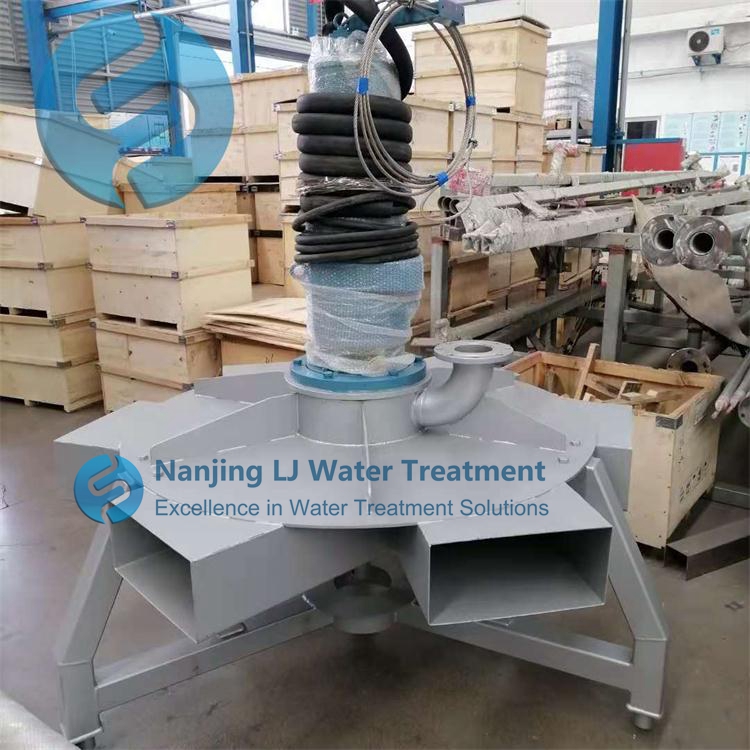
Oxygen Transfer Consistency Across On-Off Cycles
One of the most notable performance traits of intermittently run aerator mixers is their ability to maintain stable oxygen transfer efficiency even after repeated start-stop sequences. Unlike systems that experience efficiency drops after long idle periods, these units preserve consistent bubble shear performance when restarted, ensuring dissolved oxygen levels bounce back to target ranges within a short window after each activation. The low-turbulence design that preserves activated sludge floc structure during continuous operation also works to prevent sludge settling and compaction during idle phases, so there is no sudden spike in oxygen demand from re-settled biomass when the unit turns back on. This steady alpha factor across cycles eliminates the need for frequent manual adjustments to air flow rates, even when the interval between runs stretches from a few minutes to several hours.
Anti-Clogging and Wear Resistance Under Intermittent Loads
Intermittent operation puts unique stress on submerged mixing components, as stagnant wastewater and settled solid particles can seep into narrow flow paths during idle periods. High performing aerator mixers show strong resistance to clogging in these conditions, as the water flow generated during each start-up cycle flushes out accumulated debris before it can harden or block air outlets. Corrosion resistant material surfaces prevent buildup of biological film and mineral deposits that would otherwise narrow rotor blade gaps over time, so the unit does not suffer from reduced pumping capacity even after thousands of on-off cycles. This robust performance is particularly valuable for facilities that run aerators only during peak loading hours, or for seasonal treatment systems that sit idle for weeks at a time between active use periods.
Process Adaptability for Batch and Variable Flow Systems
For sequencing batch reactor workflows and treatment tanks with fluctuating inflow volumes, intermittent aerator mixer operation delivers far more flexible process control than fixed continuous aeration. Operators can adjust the duration of aeration bursts and the length of idle intervals to match exact biological treatment requirements, supporting separate phases for anaerobic mixing, anoxic denitrification, and aerobic nitrification all within the same single tank. The even water and air distribution pattern generated by the mixer ensures that no dead zones form in the basin even during non-aerated mixing phases, keeping all suspended biomass uniformly distributed without extra auxiliary mixing equipment. This adaptability also extends to harsh wastewater compositions with high solid content or variable chemical loads, as the intermittent run pattern prevents prolonged exposure to aggressive contaminants that would cause accelerated wear on continuously running submerged equipment.
Facilities that adopt properly tuned intermittent operation patterns often see extended service intervals for submerged components, as the reduced total runtime cuts down on mechanical wear without sacrificing treatment performance. The ability to lift units easily for inspection also supports quick checks between cycle batches, making routine maintenance far simpler than it is for permanently installed continuous aeration systems.
Post time:2026-08-13
