Natural water flow in ponds, lakes and reservoirs often follows inefficient paths that leave large areas stagnant while over-circulating others. Aeration mixing reshapes these flow patterns through controlled energy input that guides water movement along trajectories designed for complete coverage and balanced circulation, rather than random, uneven distribution.
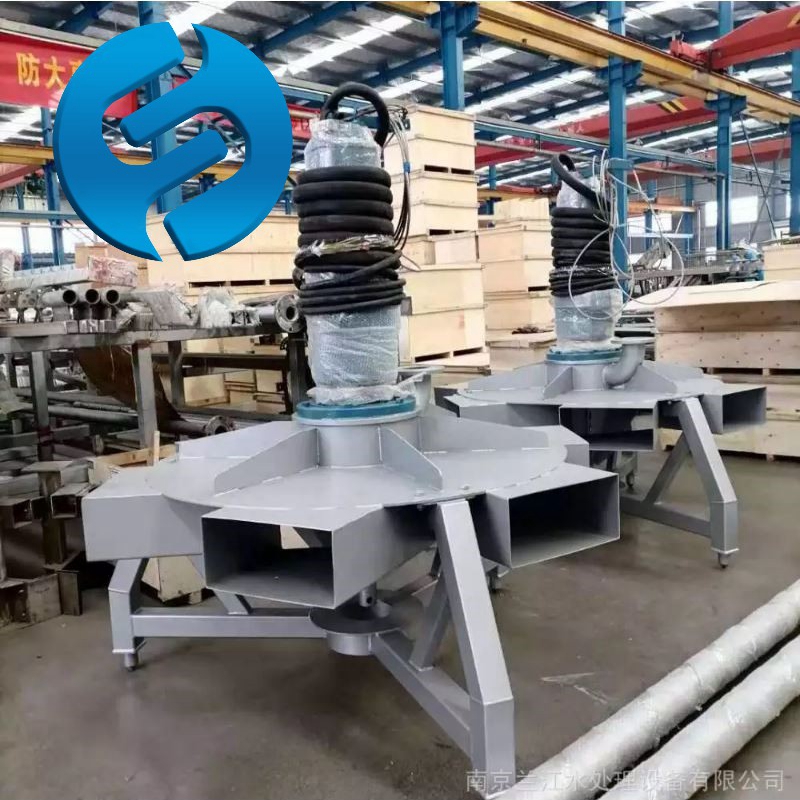
Creating Predictable Vertical Upwelling Columns
Bubble release points act as fixed anchors that generate consistent upward water flow in narrow, defined columns stretching from the bottom to the surface. These columns create predictable high-flow zones where water moves rapidly, ensuring that at least some portion of the water body experiences strong mixing. The location and spacing of these columns determine where the fastest vertical movement happens, allowing operators to place them strategically to cover areas that natural flow would miss completely.
The water rising in these columns does not shoot straight up in a chaotic jet. It forms a smooth, cohesive stream that pulls surrounding water along through friction, creating a wider zone of influence than the bubble column itself. This predictable upwelling provides a reliable starting point for the larger circulation patterns that follow.
Guiding Horizontal Surface Flow Direction
Once the upwelling water reaches the surface, it spreads out horizontally in all directions unless directed otherwise. By placing bubble columns near one side of a water body or in specific configurations, operators can guide this surface flow to travel across the entire water area before sinking back down. This creates controlled horizontal currents that carry mixed, oxygenated water to distant corners that would otherwise stay isolated from the main circulation.
In irregularly shaped water bodies, strategic column placement can make surface flow follow the shoreline contour, ensuring that narrow bays and inlet areas receive consistent water exchange instead of becoming stagnant dead zones. This guided flow uses the natural tendency of water to move from high-energy to low-energy areas, but directs it along paths that maximize overall mixing efficiency.
Establishing Closed Recirculation Loops for Full Coverage
The combination of vertical upwelling and guided horizontal flow establishes closed-loop circulation patterns that cycle water through the entire system multiple times per day. Water that rises in one column travels across the surface, sinks along the opposite side or at a distant point, and returns along the bottom to complete the loop. These loops overlap and interconnect, creating a network of flow that leaves no portion of the water body completely untouched.
Over time, these established loops become self-sustaining to some degree, as the water develops momentum that continues even when mixing intensity varies. The system reaches a state where less energy input is needed to maintain good circulation, because the water has settled into efficient flow paths that minimize resistance and maximize coverage.
Post time:2026-07-24
