Stagnant dead zones in water bodies typically form in areas where natural water movement cannot reach, such as behind physical barriers, in deep depressions, or along sheltered shorelines. Aeration mixing eliminates these zones by creating engineered flow patterns that deliver consistent water exchange to every part of the system, regardless of shape, depth or obstruction.
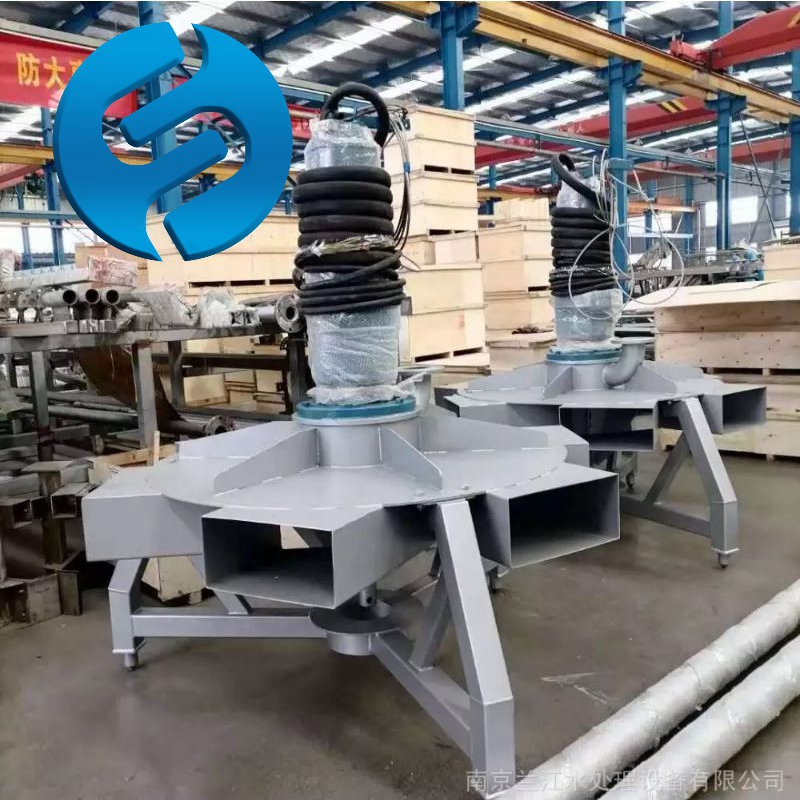
Targeted Flow Delivery to Sheltered Areas
Bubble columns placed near physical barriers like docks, islands or inlet walls generate water movement that wraps around these obstacles, reaching the sheltered spaces behind them that would normally see zero flow. The rising water column creates a pressure differential that pulls water from the dead zone into the main circulation path, breaking the isolation that allows stagnation to develop. This targeted delivery works even in areas completely cut off from wind-driven surface currents or natural inlet/outlet flows.
In complex shoreline configurations with many small coves or indentations, multiple strategically placed mixing points can create overlapping flow fields that cover every irregularity. Water gets pushed into narrow inlets and pulled back out again in a continuous cycle, preventing the buildup of stagnant conditions that lead to algae blooms and odor problems.
Breaking Up Density-Driven Isolation Zones
In deep water bodies, cold dense water sometimes settles into bottom depressions and becomes completely isolated from surface layers by sharp density differences. Gentle upward flow from deep-release aeration points lifts this trapped water slowly, mixing it with warmer layers above until its density matches the surrounding water. Once the density difference disappears, the water can rejoin the main circulation instead of staying trapped in an isolated pocket.
This density equalization happens gradually, avoiding the sudden release of large volumes of anoxic water that can cause fish kills or water quality crashes. The process works on even the most stubborn isolation zones, as long as the mixing energy reaches the area consistently over time.
Preventing Sediment-Based Dead Zone Formation
Fine sediment accumulation in low-flow areas often creates a soft, unstable bottom that further discourages water movement, creating a feedback loop that makes stagnation worse over time. The gentle bottom currents generated by aeration mixing prevent new sediment from settling in these areas, keeping the bottom firm and allowing water to flow freely across it. Existing soft sediment gets gradually eroded and redistributed to areas with better natural flow, removing the physical barrier that contributes to dead zone formation.
This sediment management also improves habitat quality for bottom-dwelling organisms that struggle in soft, oxygen-poor sediment. The firmer, cleaner bottom supports a more diverse biological community that itself contributes to better water circulation through its normal activities.
Post time:2026-07-26
