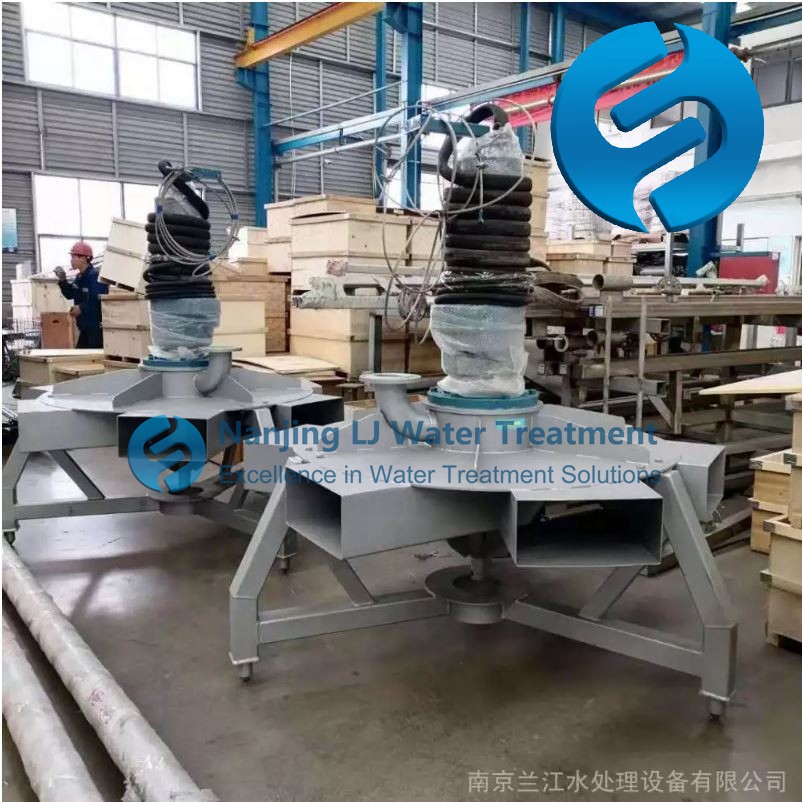
Aeration mixer operation involves rotating mechanical components, high-power electrical connections, and continuous contact with water or mixed liquid in tanks, which can create hidden safety risks if not handled with standardized procedures. For site operators, maintenance technicians, and facility managers in wastewater treatment, biological reactor operation, and large-scale aquaculture systems, following a clear safe operating procedure not only protects personnel on site but also prevents unplanned equipment damage that disrupts the entire water treatment or aquaculture cycle.
Pre-operation site and condition verification
Before any aeration mixer is started, a full walkthrough of the surrounding work area must be completed to remove loose tools, leftover maintenance materials, and unrelated obstacles that could fall into the tank or interfere with moving parts. All electrical connections, grounding points, and cable insulation layers need to be visually checked for signs of damage, water immersion, or loose terminals, especially after a long shutdown period or recent heavy rain. Operators should also confirm that all safety guardrails around the tank are properly installed, warning signs are clearly posted, and no unauthorized personnel are staying within the operation range. For mixers that have been disassembled for maintenance, it is necessary to double-check that all mounting bolts, connection fasteners, and sealing components are reinstalled according to the correct torque requirements before power is supplied.
Start-up, runtime monitoring and normal operation protocols
The start-up process should follow a staged sequence instead of directly switching to full operating speed. First, activate the interlock and protection circuits, confirm that all related valves and flow control settings are in the correct position, and then carry out a short no-load test run to check for abnormal vibration, strange noise, or current overload readings. After the mixer enters normal continuous operation, arrange regular patrol checks to track operating current, bearing temperature, and the stability of mixing and aeration effects, rather than only checking the equipment during shift handover. Operators should never lean over the tank edge to observe the impeller closely, and they must keep a safe distance from the equipment when the power is connected. If any unusual sound, obvious vibration, or sudden current fluctuation is detected during runtime, reduce the operating load step by step and carry out targeted inspection instead of letting the equipment run with hidden faults.
Lockout-tagout and maintenance safety guidelines
Whenever the aeration mixer needs to be opened for inspection, cleaning, or repair work, a complete lockout-tagout procedure must be strictly implemented. All relevant power switches should be turned off, locked with a dedicated personal lock, and a clear warning tag should be hung on the switch position to indicate that maintenance work is in progress and power supply is forbidden. Before personnel enter the tank or extend any tool close to the impeller, confirm that the rotating part has completely stopped and cannot be accidentally driven by residual power or fluid flow. When working in a narrow or enclosed tank space, arrange a second person to stand guard outside the work area at all times, and keep continuous communication to respond to any emergency situation in time. After all maintenance work is finished, clear all tools and leftover parts from the equipment and surrounding area, and then remove the lockout tag step by step before restoring normal power supply.
For facilities that run aeration mixers around the clock, regular safety training for all personnel involved in operation and maintenance helps turn these procedures into habitual working practices. This consistent execution effectively reduces human errors, avoids unnecessary safety incidents, and keeps the entire mixing and aeration system operating in a reliable and controlled state over long periods.
Post time:2026-11-19
