Rust and corrosion are among the most persistent issues that shorten the service life of aeration mixers in water treatment, aquaculture, and industrial mixing systems. Without proper protection, metal components exposed to moisture, dissolved chemicals, and continuous fluid flow will gradually degrade, leading to unexpected downtime, reduced mixing efficiency, and higher long-term maintenance costs. For operators managing biological reactors, wastewater treatment tanks, or large-scale aquaculture ponds, understanding practical rust prevention measures directly contributes to more stable daily operation and extended equipment lifespan.
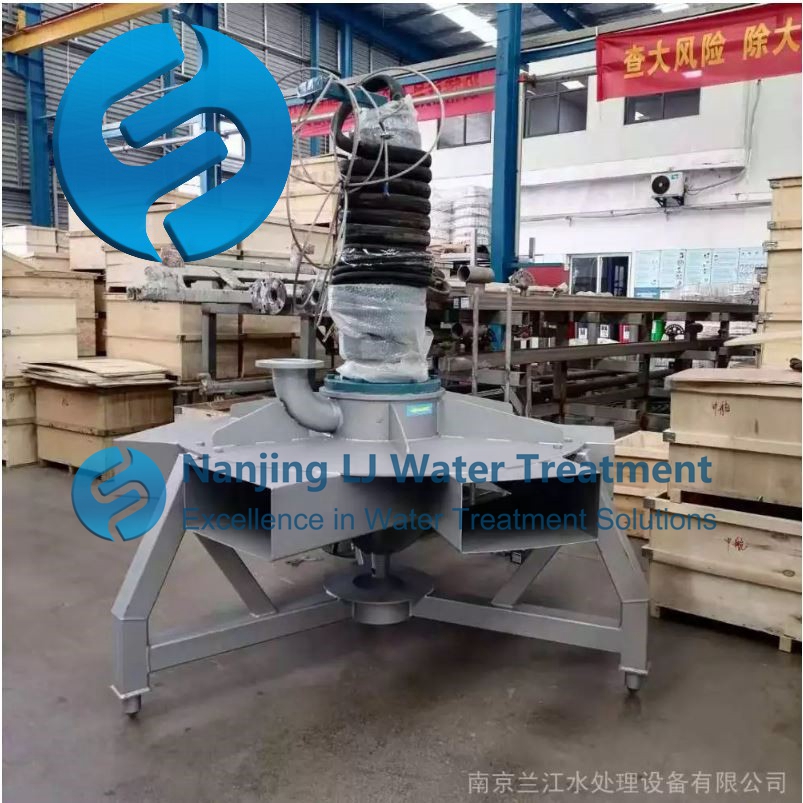
Material selection tailored to working conditions
The foundation of effective rust prevention starts long before the mixer is put into operation. Different water qualities and process environments create vastly different corrosion risks, and selecting compatible materials for wetted parts can eliminate most potential rust problems at the source. In scenarios with high chloride concentrations, strong acidic or alkaline wastewater, components in direct contact with liquid should prioritize high-grade corrosion-resistant metal options, while municipal wastewater and general aquaculture circulation systems can adopt carbon steel combined with high-performance anti-corrosion coatings to balance performance and practicality. Even within the same tank, different parts such as impellers, shafts, and connection fasteners may face different scouring and corrosion intensities, so targeted material matching based on actual water quality analysis reports will deliver far better long-term results than using a unified material standard for all conditions.
Surface treatment and coating maintenance strategies
A high-quality surface treatment process can greatly improve the adhesion and durability of anti-corrosion coatings. Before any coating is applied, the metal surface needs to go through thorough sandblasting, derusting, and passivation treatments to remove all oxide layers, welding slag, oil stains, and impurities, ensuring the coating forms a tight bond with the base metal. After the mixer is put into use, regular visual inspections of the coating on the impeller and mixing shaft should be arranged every 6 to 12 months, focusing on areas that bear the strongest water flow impact. Once local peeling or scratches are found, timely patching with matched repair coating materials can prevent rust from spreading underneath the protective layer. Optimizing operating parameters such as rotation speed and flow direction also helps reduce severe local turbulence that continuously scours the coating, effectively slowing down coating wear and extending the interval between major maintenances.
Operational environment control and daily inspection routines
Many operators overlook the fact that water temperature, pH fluctuation, dissolved oxygen level, and even uneven chemical dosing will accelerate the electrochemical corrosion process on metal surfaces. In industrial wastewater tanks, maintaining relatively uniform fluid velocity around the mixer helps avoid localized over-concentration of acid or alkali, which is a simple but often ignored anti-corrosion practice. Establishing a regular cleaning schedule to remove sediment, biofilm, and attached deposits from the mixer surface every quarter can prevent these attachments from creating hidden, stagnant corrosion points that are hard to detect during routine checks. For mixers that will be out of service for an extended period, carrying out appropriate wet maintenance or dry sealing treatment instead of leaving them directly exposed in empty tanks can avoid rapid rust development caused by alternating wet and dry conditions.
Developing a complete corrosion record for each aeration mixer, tracking every inspection, coating repair, and material adjustment, helps operators gradually identify the corrosion patterns specific to their own working conditions. Over time, this accumulated operational experience will make rust prevention work shift from passive emergency repair to active, predictable protection, ensuring the mixer maintains stable mixing and aeration performance even in long-term harsh submerged environments.
Post time:2026-11-19
