Aeration Mixer Installation in Landscape Water Bodies: What Actually Works on Site
Landscape water bodies look beautiful until they turn green, smelly, and lifeless. Stagnant water breeds algae, kills fish, and ruins the entire aesthetic you spent months designing. An aeration mixer is the single most effective tool to keep these waters alive and clear. But throwing a mixer into a decorative pond is not the same as installing one in a wastewater tank. The stakes are different, the constraints are tighter, and the margin for error is smaller. Getting the installation right means the difference between a sparkling feature and an expensive eyesore.
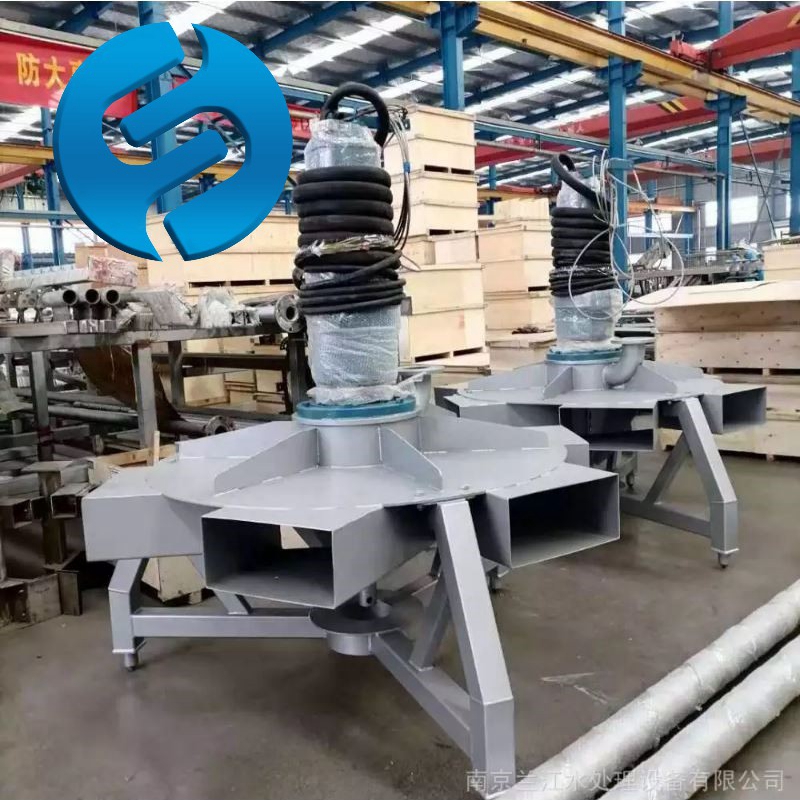
Why Landscape Water Bodies Need a Different Installation Approach
Most aeration mixers are designed for industrial or municipal use. Those units assume deep tanks, concrete floors, and access for heavy equipment. A landscape pond is none of those things. The bottom is often lined with flexible membrane or covered in decorative stone. The water depth might be half a meter in some spots and two meters in others. People swim near it. Pets drink from it. The equipment has to work quietly, look unobtrusive, and survive exposure to sunlight, leaves, and seasonal temperature swings.
The core function stays the same: push air into the water, create circulation, keep dissolved oxygen high enough to suppress anaerobic bacteria and algae blooms. But how you mount the mixer, where you place it, and how you seal the connections all change when the environment is a public space instead of a treatment plant.
Choosing the Right Spot Before You Dig Anything
Map the Bottom First
Do not assume the pond floor is flat. Decorative landscapes often have uneven grading, hidden slopes, and buried piping from lighting or filtration systems. Before any equipment touches the water, drain the pond partially and walk the bottom. Feel for soft spots where sludge has accumulated. Look for sharp rocks or metal debris that could puncture a diffuser membrane.
Use a long pole or a depth sounder to confirm the actual water depth at every potential mounting point. The ideal installation depth for most landscape aeration mixers sits between 100 and 250 millimeters above the pond floor. Too close and the unit sucks in sediment. Too high and the bubbles dissipate before they reach the bottom layer where oxygen demand is highest.
Mark each installation point with a floating buoy so you do not lose track during the actual mount. For irregularly shaped ponds, pull baseline strings across the surface in a cross pattern and project those points down to the floor. This grid method keeps spacing even and prevents clusters or dead zones.
Avoid the Edges and the Shallow Corners
A common mistake is placing mixers right against the pond wall or in the shallowest corners. Air bubbles hit a solid surface and bounce back instead of spreading through the water column. The result is turbulence in one spot and dead water everywhere else. Keep at least 300 millimeters of clearance from any wall or decorative edge. In rectangular ponds, offset the mixers slightly toward the inlet side so the flow pushes water toward the outlet and sweeps sediment along the bottom.
Mounting Methods That Actually Hold Up Outdoors
Weighted Bases for Lined or Soft Bottoms
Most landscape ponds use flexible liners or have soft soil bottoms. You cannot drill bolts into those surfaces. The workaround is a weighted base. Concrete blocks, sand-filled bags, or purpose-built steel frames sitting on the pond floor provide the anchor. The weight needs to be enough to resist the upward buoyancy and lateral vibration from the air pulse, but not so heavy that you cannot retrieve the unit for winter storage or cleaning.
A practical rule: plan for 5 to 8 kilograms of weight per mixer. This range holds the unit steady during operation without making removal a two-person job. Place the weight directly over the mounting point so the load transfers straight down through the mixer body into the base, not sideways into the air line.
Adjustable Bracket Systems for Uneven Terrain
If the pond has a hard bottom but uneven terrain, use adjustable bracket mounts with stainless steel or coated carbon steel hardware. Uncoated steel will rust within months in any water environment, and rust flakes will clog the diffuser. The bracket should allow vertical adjustment so you can level each mixer individually even when the floor slopes. Lock the adjustment once it is set and check it monthly. Vibration from continuous operation can loosen threaded connections over time.
Connecting the Air Supply Without Leaks
Seal Every Joint Like It Matters
In a landscape setting, a small air leak is not just wasted energy. It means bubbles surfacing in the wrong place, ugly noise, and reduced oxygen delivery where you need it most. For threaded connections, wrap the joint with PTFE tape in three layers: first layer clockwise, second counterclockwise, third clockwise again. This cross-wrap pattern resists vibration better than a single-direction wrap.
For clamp-style connections, use a stainless steel clamp with a rubber gasket seated properly. Tighten the screws in a diagonal pattern, not one side then the other. Uneven pressure warps the gasket and creates a leak path. After every connection, lift the mixer about 20 centimeters above the mounting point, open the air valve briefly, and watch for bubbles escaping from the joint. No bubbles means the seal is good. Bubbles mean re-seal before you submerge anything.
Purge the Line Before You Connect
This step gets skipped more often than it should. If the air line has any weld slag, dust, rust, or construction debris inside it, the first burst of air will blast that junk directly into the diffuser membrane and tear it open. Before connecting any mixer, blow compressed air through the entire line from the blower end until nothing but clean air comes out the far end. Do this even if the line looks new. Construction sites are dirty, and dirt gets inside pipes faster than you think.
