For aerobic biological wastewater treatment systems, the way you coordinate oxygen transfer and hydraulic mixing inside the aerobic tank directly shapes the long-term stability, energy efficiency and pollutant removal performance of the whole process. These practical operation techniques focus on matching the two core functions to the actual working conditions of the tank, rather than running both systems at full power all the time, to get the most out of the aerobic microbial community.
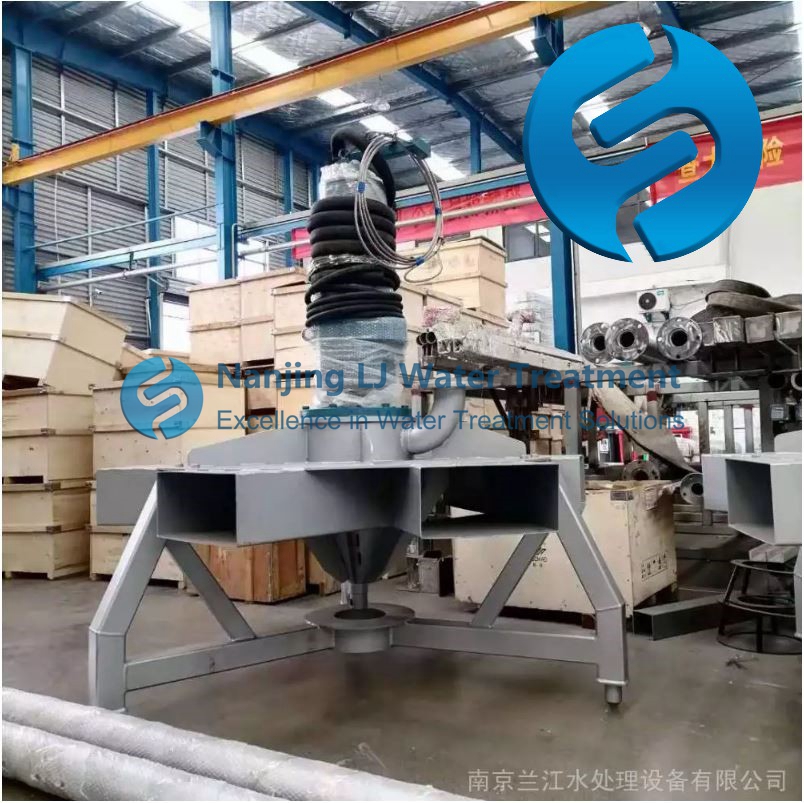
Matching Mixing Intensity to Actual Hydraulic Retention Time
The first practical technique is to adjust the mixing output to align with the designed hydraulic retention time of the aerobic tank, instead of applying a universal stirring intensity for all operating scenarios.
For tanks with a hydraulic retention time longer than 12 hours, you can run the mixing system at a relatively low steady output to maintain full suspension of activated sludge, which avoids unnecessary high shear force that would break the dense and well-structured sludge flocs that are good for settling in the secondary clarifier. For tanks with shorter hydraulic retention time and higher incoming water flow velocity, you can raise the mixing intensity slightly during peak water inflow periods to eliminate short flow paths that would let untreated organic matter slip through the tank without being fully degraded. This dynamic adjustment also works well when the system takes shock loads of high organic concentration, as the enhanced mixing can spread the sudden influx of pollutants across the whole tank volume quickly, preventing local dissolved oxygen depletion that would kill off aerobic bacteria in a specific area.
Optimizing Bubble Breakup and Vertical Oxygen Distribution
This set of techniques focuses on improving the contact between air bubbles and the mixed liquid, to extend the residence time of oxygen molecules and make dissolved oxygen levels evenly distributed from the top layer to the very bottom of the tank.
You can time the peak mixing power output to overlap with the period when air is first released into the liquid, so the flowing water can cut the rising bubbles into finer sizes right at the area with the highest flow velocity, rather than letting large bubbles rise straight to the surface without releasing most of their oxygen content. This arrangement pushes the newly injected oxygen down to the deeper sections of the tank, instead of letting all the oxygen stay in the upper half of the water column, which eliminates the low dissolved oxygen dead zones that often appear near the tank floor in poorly optimized systems. When the incoming water temperature rises in summer, you can slightly extend the duration of enhanced mixing during the peak aeration period, since higher water temperature reduces the maximum solubility of oxygen, and better vertical mixing can make the limited dissolved oxygen spread more evenly to cover all the microbial flocs.
Coordinating Aeration and Mixing for Variable Load Conditions
These operational techniques help the aerobic tank adapt to the daily fluctuations of incoming water quality, without wasting excess energy on unnecessary aeration or losing treatment performance during low-load periods.
During late night hours when the organic load of incoming sewage drops to the lowest level of the day, you can keep the mixing system running at a very low output while reducing the total oxygen supply, to maintain full sludge suspension without over-aerating the mixed liquid, which prevents the excessive breakup of flocs caused by too much air flow. When the system needs to switch to the nitrification mode for enhanced ammonia nitrogen removal, you can adjust the mixing rhythm to create a gentle circulating flow that helps nitrifying bacteria stay in the tank for a longer effective retention time, rather than being washed out with the effluent too quickly. For systems that run intermittent aeration cycles, you can keep the mixing function running for a short period right after each aeration phase ends, to make the remaining dissolved oxygen spread evenly across the whole tank, so no part of the microbial community will stay in an anaerobic state that disrupts the scheduled reaction sequence.
Post time:2026-07-01
