Water seepage and leakage in aeration mixers are among the most common disruptive issues that operators face in continuous water and wastewater treatment operations, where even small unintended water escape can gradually erode surrounding structural components, disrupt stable dissolved oxygen levels, and create unplanned downtime that interrupts the entire treatment workflow. These faults rarely appear suddenly without early warning signs; most cases are preceded by subtle, easy-to-overlook clues such as persistent damp patches around sealing interfaces, slow unexplained drops in water level inside the tank, or unexpected moisture buildup on external motor and connection housings. Teams that recognize these early indicators and follow a structured troubleshooting process can resolve leakage issues before they escalate into larger failures that require extensive system disassembly and extended operational shutdown.
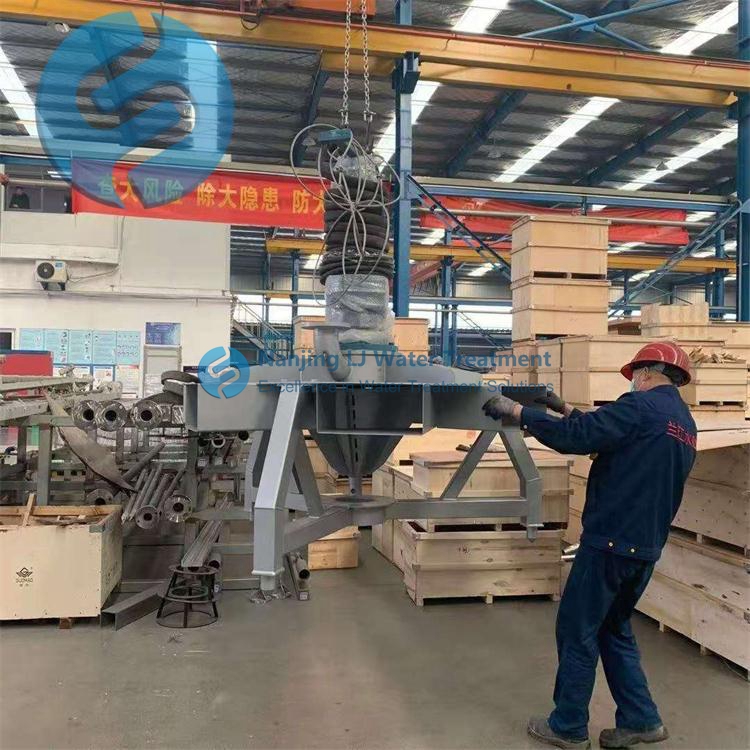
Initial on-site assessment for leakage fault localization
The first step in addressing an aeration mixer water seepage issue is to conduct a full visual inspection of all accessible external surfaces while the system is in a low-pressure, non-operational state, carefully tracing every damp trail back to its exact point of origin. Operators pay close attention to areas around rotating shaft penetration points, flange connection faces, and stationary housing joints, as these are the locations where the vast majority of slow seepage faults initiate. It is important to mark every identified leak point clearly before beginning any disassembly work, as multiple independent leakage paths can sometimes exist simultaneously and create misleading water flow patterns that make root cause identification difficult. Teams also document the operating duration of the mixer, recent maintenance activities, and any unusual load fluctuations in the weeks leading up to the fault, as this contextual information often reveals underlying factors that contributed to the seal failure.
Targeted repair practices for different leakage root causes
For seepage originating at dynamic shaft sealing interfaces, the process begins with carefully isolating the mixer from all power and fluid supply sources before gently accessing the seal chamber without damaging the precision-machined shaft surface. Technicians inspect the condition of all sealing contact surfaces for signs of wear, deformation, or embedded particulate matter that could have created a persistent gap allowing water to pass through, then clean and resurface mating areas to restore full flatness before installing new sealing elements aligned to the correct operational tension. For leakage across static flange joints, technicians remove all old residual sealing material, inspect the two mating faces for minor warping or scratch marks that could break the continuous seal, and reapply sealing methods following even, symmetrical bolt tightening sequences to avoid uneven pressure distribution that creates new leak paths. Every completed repair step is followed by a low-pressure static water test to confirm the targeted leak point is fully sealed before the system is returned to full operational status.
Post-repair validation and preventive monitoring routines
After the initial repair work is completed, the aeration mixer is brought back into operation under controlled, gradually increasing load conditions, with technicians monitoring all previously identified leak points for an extended period to confirm no new seepage appears as system pressure and operating temperature stabilize. Operators record baseline vibration and temperature data for the sealing and shaft areas, creating a reference point that makes it easy to spot subtle deviations during future routine inspections. Teams also integrate periodic seal condition checks into the regular maintenance schedule, looking for early signs of material degradation long before they can develop into new water seepage faults. This structured approach to post-repair care extends the reliable operational life of the mixer and reduces the frequency of unplanned leakage-related disruptions over long-term continuous use.
Post time:2026-09-08
