Food processing wastewater presents a distinct set of treatment challenges due to its variable composition, high organic load from sugars and starches, and often significant seasonal or batch-related fluctuations. The application of aeration mixing systems in this context must address these specific characteristics to ensure reliable and efficient treatment that meets strict discharge standards.
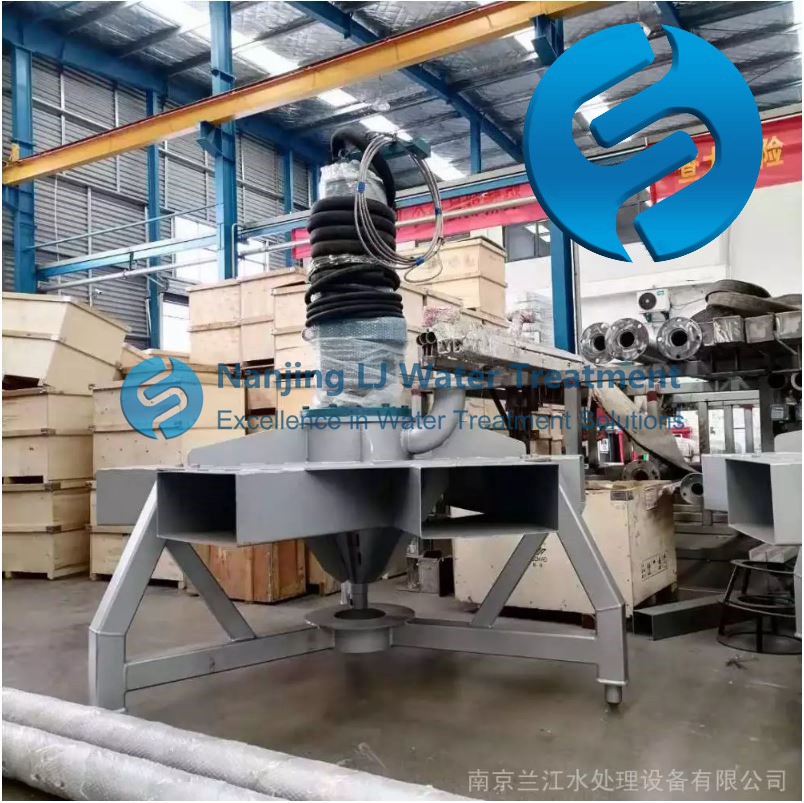
Managing Seasonal and Batch-Driven Load Variability
Food production cycles, whether daily, weekly, or seasonal, lead to significant swings in wastewater volume, strength, and composition, from fruit canning to dairy processing.
The mixing system within the equalization or balancing tank is the first line of defense against this variability. It works to homogenize the incoming stream, blending high-strength washdown water from equipment cleaning with weaker process water. This creates a consistent feed for the biological treatment stages, preventing shock loads of high Biochemical Oxygen Demand (BOD) or rapid pH changes from disrupting the sensitive microbial community. Effective mixing ensures that soluble organic compounds like sugars and organic acids are evenly distributed, preventing localized acidification or toxic conditions that can occur if concentrated batches are not diluted. This stable, uniform influent allows downstream biological processes to operate at peak efficiency, maintaining high removal rates for organic matter and nutrients regardless of the production schedule at the factory.
Optimizing Conditions for High-Rate Biological Treatment
The biological treatment of food wastewater, often rich in easily degradable carbon, requires precise control of mixing and aeration to maximize microbial activity while preventing process upsets.
In aerobic treatment systems like activated sludge or sequencing batch reactors, the aeration mixer must provide sufficient oxygen to meet the high oxygen demand of rapidly metabolizing bacteria. The mixing action ensures that this oxygen, along with the soluble substrates, is uniformly available to all microbial flocs, promoting efficient degradation. Crucially, the mixing intensity must be balanced—strong enough to keep biomass suspended and substrates well-mixed, but not so turbulent that it shears fragile flocs or causes excessive foaming, which is common in wastewater containing proteins, fats, or surfactants. In anaerobic treatment systems used for high-strength streams, gentle but thorough mixing is vital to keep granular sludge in contact with the wastewater, facilitate the release of biogas, and prevent the formation of scum layers or dead zones where solids can settle and cause operational problems.
Controlling Fats, Oils, and Grease (FOG) and Suspended Solids
Many food processing wastewaters contain emulsified fats, oils, grease, and fine suspended solids like starch or plant fibers, which can interfere with treatment if not properly managed.
In the initial stages of treatment, vigorous mixing in designated tanks can help break down emulsions and keep fine solids in suspension, preparing them for subsequent removal through dissolved air flotation (DAF) or primary settling. The aeration mixer in biological tanks also plays a role in managing these materials. It helps disperse FOG, increasing its surface area and making it more accessible to specialized lipolytic bacteria for biodegradation. Simultaneously, the controlled hydraulic shear helps form dense, fast-settling biological flocs that can effectively enmesh and remove fine colloidal solids. Without adequate mixing, FOG can separate and form insulating layers or blockages, while solids can settle in unwanted areas, reducing treatment capacity and creating maintenance issues. Proper mixing design ensures these challenging components are integrated into the biological process rather than hindering it.
Post time:2026-07-07
