When an aeration mixer begins to show unexpected performance changes during operation, the first critical step is to lock out all local and remote power sources and follow site-specific confined space and underwater equipment safety protocols before any physical inspection begins. Skipping these pre-checks can expose operators to unexpected equipment startup, electrical hazards or uncontrolled fluid movement that creates unnecessary risk for on-site staff. Document all observed symptoms, including runtime, current draw readings, dissolved oxygen levels and recent process adjustments, before you start disassembly, as this baseline information helps narrow down root causes far faster than random component checks.
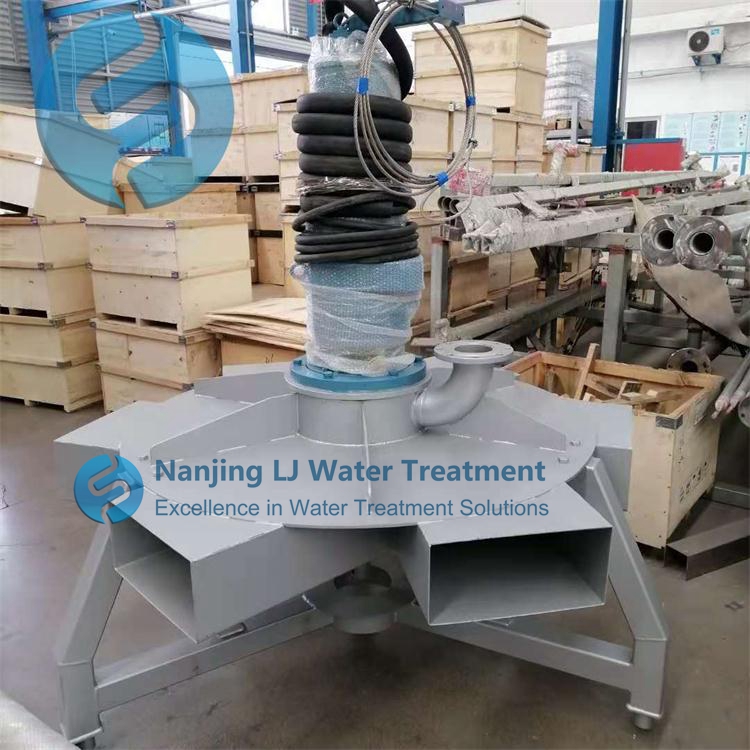
Low dissolved oxygen output and uneven mixing coverage
This is one of the most frequently reported issues, and it rarely stems from a single isolated equipment failure. Start by checking for fibrous ragging wrapped around the impeller assembly, as accumulated sludge, plastic debris or long stringy materials can silently reduce hydraulic thrust and break the uniform flow pattern that distributes oxygen across the entire tank. Next, verify that the mixer’s mounting depth and angular alignment match the original design specifications, since even a small shift in installation position can create dead zones where bubbles coalesce instead of dispersing evenly through the water column. You should also cross-reference current MLSS readings against the mixer’s designed operating viscosity limits, because sudden spikes in mixed liquor solids can drastically reduce the effective mixing radius and leave large sections of the tank under-aerated even when the unit appears to run normally.
Unusual vibration, abnormal noise and unstable operation
Persistent rattling, grinding sounds or visible frame wobble during operation almost always trace back to mechanical wear or lost internal balance. Lift the unit out of the tank and inspect the impeller surfaces for uneven abrasion, heavy sludge buildup or chipped edges that can throw the entire rotating assembly out of dynamic alignment. Check all mounting bolts, stabilizing foot fasteners and coupling connections for signs of loosening that developed over extended runtime, as even a small amount of play in the mounting structure can amplify into severe resonant vibration that damages seals and bearing surfaces over time. You should also inspect the bearing housing for excess grease degradation or signs of water intrusion, since insufficient lubrication or contaminated lubricant will quickly create high-pitched whining noises that escalate into catastrophic component failure if left unaddressed.
No or drastically reduced water and air output
When the mixer runs but delivers almost no combined aeration and mixing flow, start by tracing the full suction and discharge line path for kinks, collapsed sections or unintended blockages that restrict fluid movement. Check for airlock formation near the pump inlet, which can happen after recent tank draining or maintenance work that allowed air to get trapped inside the hydraulic assembly, and clear the dedicated anti-airlock port according to standard site procedures to restore normal prime. Verify that incoming line voltage falls within the equipment’s specified operating range, as sustained low voltage will prevent the motor from reaching full rotational speed and cut both mixing thrust and air induction performance well below required process levels. You should also confirm that the impeller rotation direction matches the design specification, since reverse operation will drastically reduce flow output even when all electrical components appear to function correctly.
Intermittent shutdowns and unexpected overload trips
Frequent, unplanned circuit breaker trips or random runtime shutdowns that do not follow a clear pattern usually point to a combination of electrical and hydraulic stress factors. Check the motor winding insulation resistance against site maintenance benchmarks, as gradual moisture intrusion through worn shaft seals can create intermittent leakage paths that draw excess current under certain load conditions. Inspect the suction strainer for partial clogging from fine sediment, as a partially blocked strainer creates fluctuating hydraulic load that makes the motor’s current draw spike unpredictably and trigger overload protection at irregular intervals. You should also review recent changes to water temperature, fluid density or tank water level, since unplanned shifts in process conditions can push the mixer’s operating load outside the original design envelope even when no individual component has suffered obvious mechanical failure.
Post time:2026-11-16
