News
-
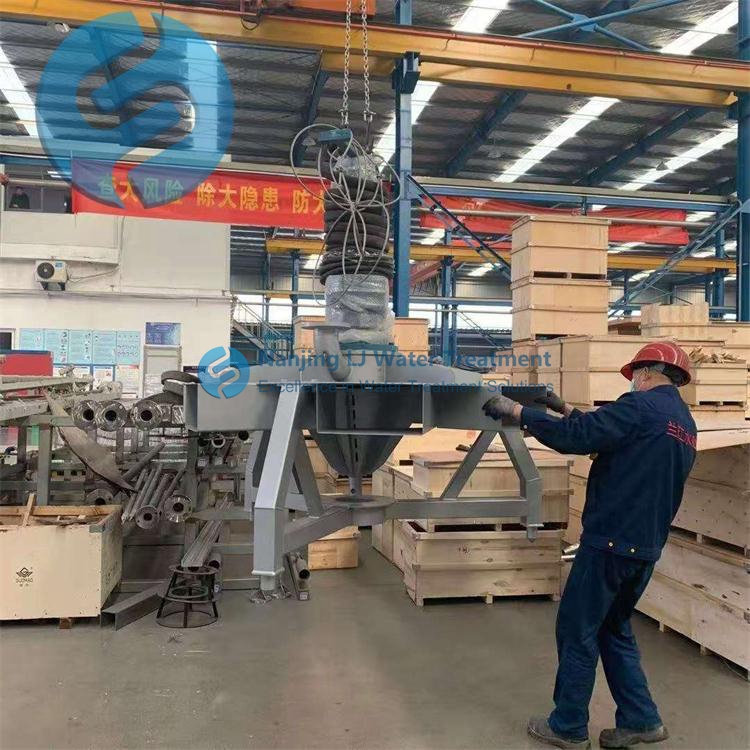
Torque characteristics of the deceleration type aeration mixer
Torque is the force that makes the impeller turn. It sounds simple, but in a geared aeration mixer, torque behaves differently than most people expect. The gearbox multiplies torque at the impeller while reducing speed, and that multiplication creates its own set of challenges — from startup surges to thermal buildup in the gear set. Understanding how torque flows through a geared mixer is the difRead more -
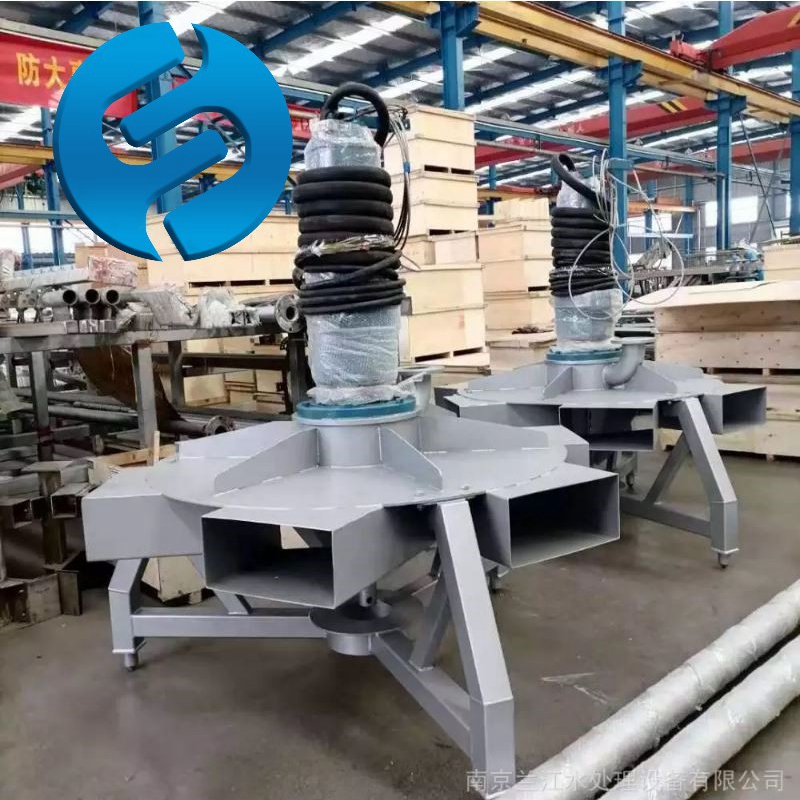
Direct connection type aeration mixer drive method
Most aeration mixers you see in the field use a belt-and-pulley setup. Motor spins a pulley, the pulley drives a belt, the belt turns the impeller shaft. It works. But it also adds failure points, loses energy, and demands constant adjustment. Direct-drive mixers cut all of that out. The motor couples straight to the impeller shaft — no belts, no pulleys, no tensioning. What sounds like a simple mRead more -
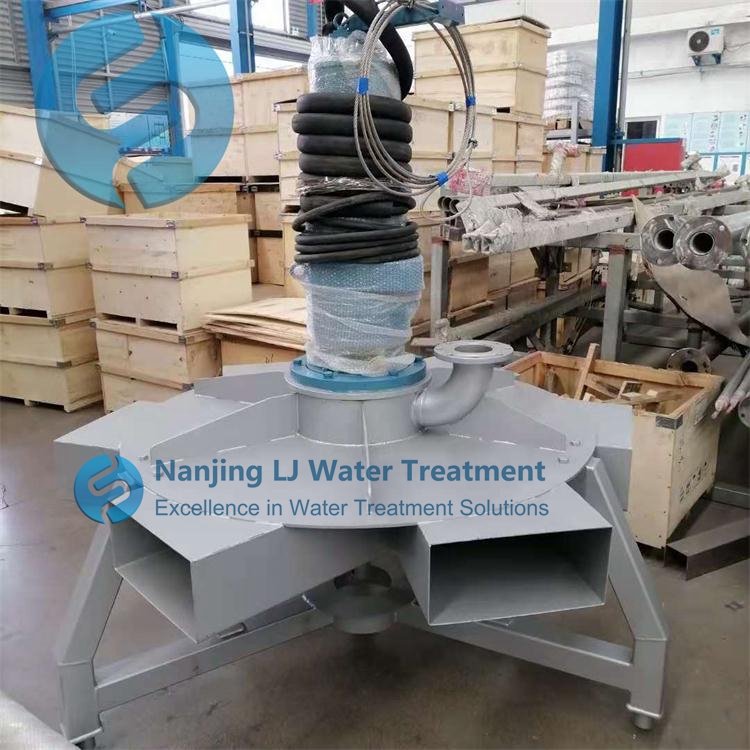
Key points for the stable operation of heavy-duty aeration mixers
Heavy-duty aeration mixers are built to take punishment. Thick walls, oversized bearings, cast iron housings — they look like they can survive anything. And they can, but only if you run them right. A heavy mixer that is poorly maintained will fail just as fast as a cheap one. The difference is that when a heavy unit fails, the collateral damage is worse. Broken shafts can tear up impellers. SeizeRead more -
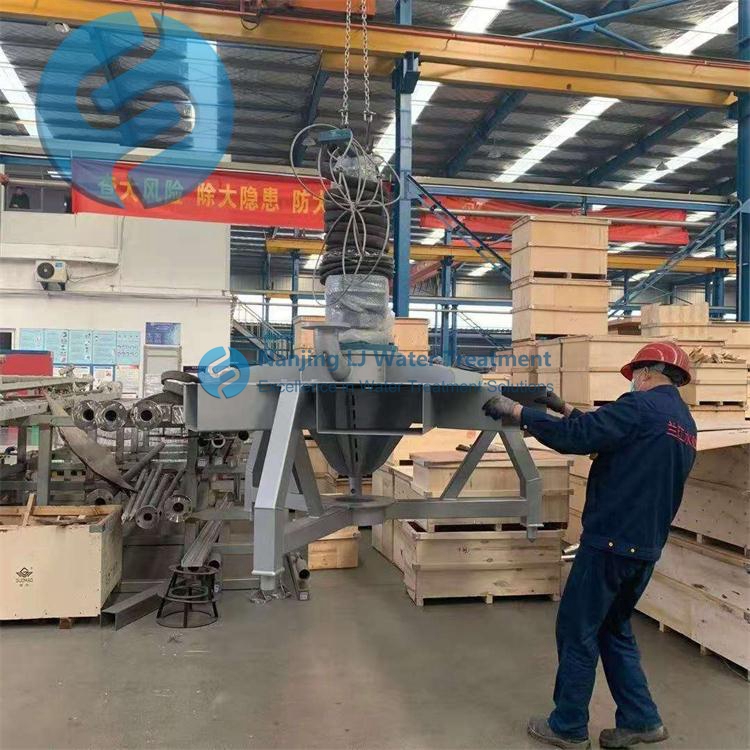
Features of the lightweight aeration mixer during transportation and installation
Moving and installing a lightweight aeration mixer sounds simple on paper. Lift it, lower it in, bolt it down. Done. In practice, lightweight does not mean carefree. These mixers have their own set of handling quirks that catch people off guard — especially when the installation site is a muddy pond, a narrow tank, or a rooftop basin with no crane access. The reduced weight changes how you think aRead more -
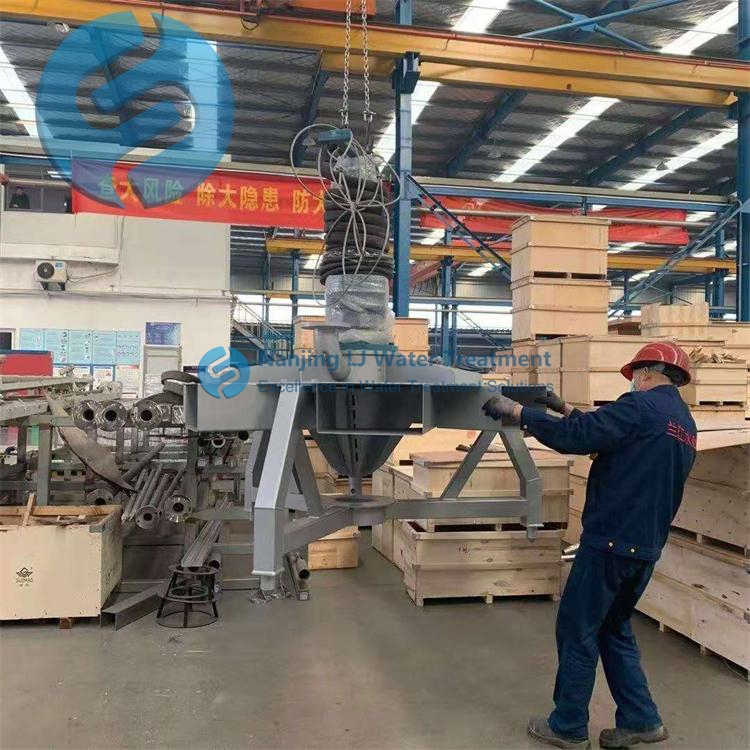
Anti-corrosion type aeration mixer surface treatment
Exposed to wastewater, industrial effluent, or brackish water every single day, an aeration mixer does not get a break. Chloride ions, hydrogen sulfide, fluctuating pH, and microbial activity all attack the metal surface simultaneously. Without proper surface treatment, even stainless steel will pit within months. The right coating or finishing process is not a cosmetic choice — it is the differenRead more
