News
-
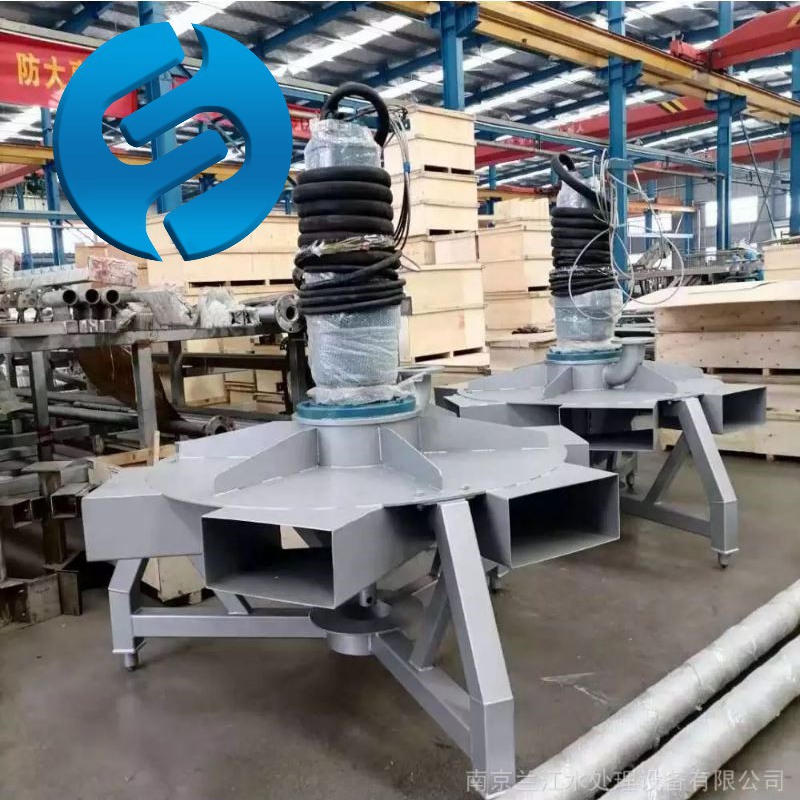
Selection ideas for biological water body treatment using aerator mixers
Ecological water body restoration projects face far more variable natural conditions than standard industrial or municipal treatment tanks. Unlike enclosed, controlled environments, open natural water bodies have changing water depth, uneven sediment distribution, unpredictable water flow and complex local ecological characteristics.Read more -
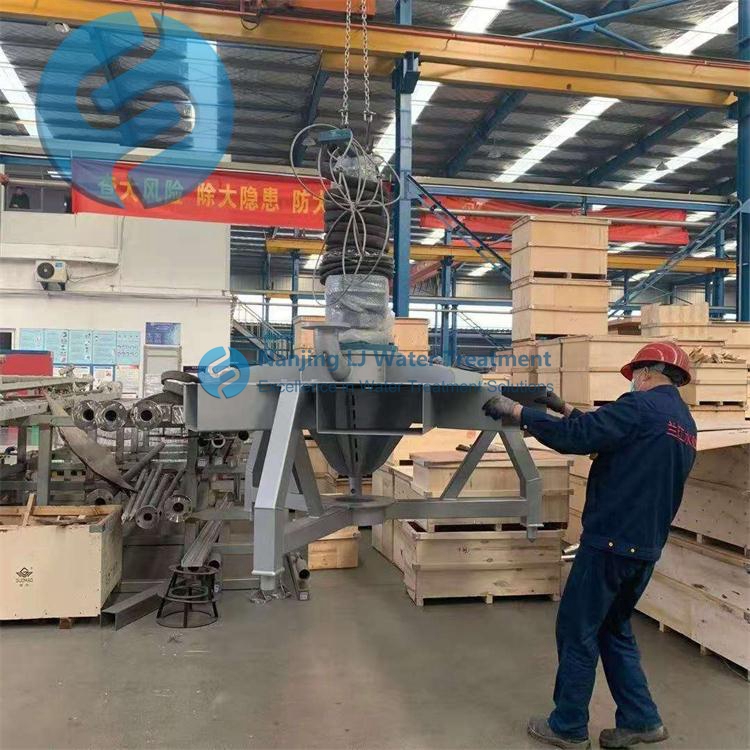
Selection and Adaptation for Renovation of Old Water Tanks with Aeration Mixers
Many aging water treatment tanks that have been in operation for more than a decade often face hidden performance drops that are easy to overlook during daily checks. The aeration mixing system, which sits at the core of biochemical treatment, gradually loses its original efficiency as components wear down over years of continuous contact with corrosive water, suspended solids and fluctuating wateRead more -
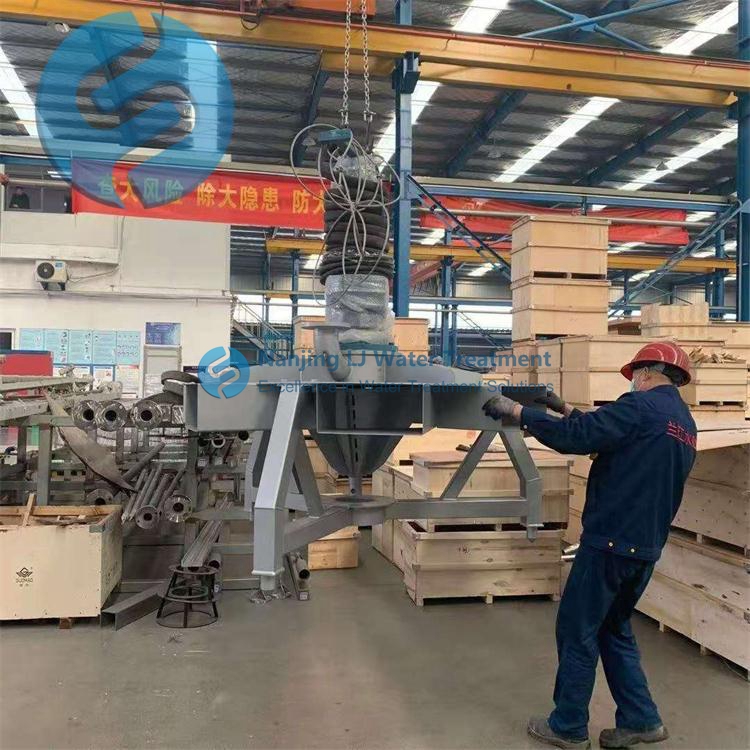
The selection ideas for aerator mixers in remote water areas
Remote water aeration mixer selection follows a different logic from standard facility-based projects, since site access, power supply limits, and long-term unattended operation become far more important than they are in urban or industrial settings.Read more -
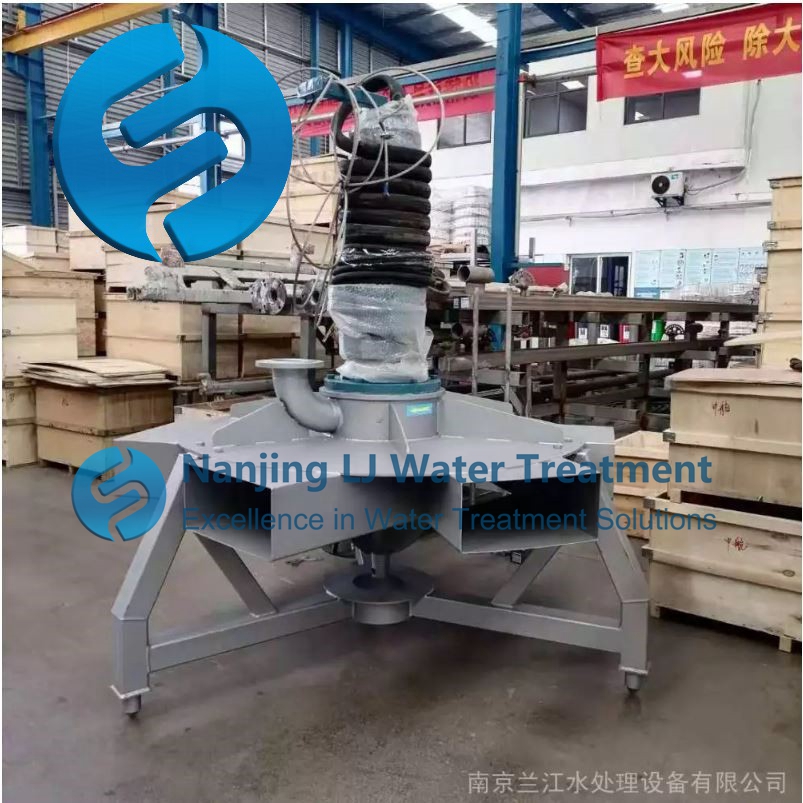
Selection Reference for Noise Reduction of Aeration Mixers
When working on aeration mixer projects, noise control often becomes one of the most overlooked but critical parts of a successful installation.Read more -
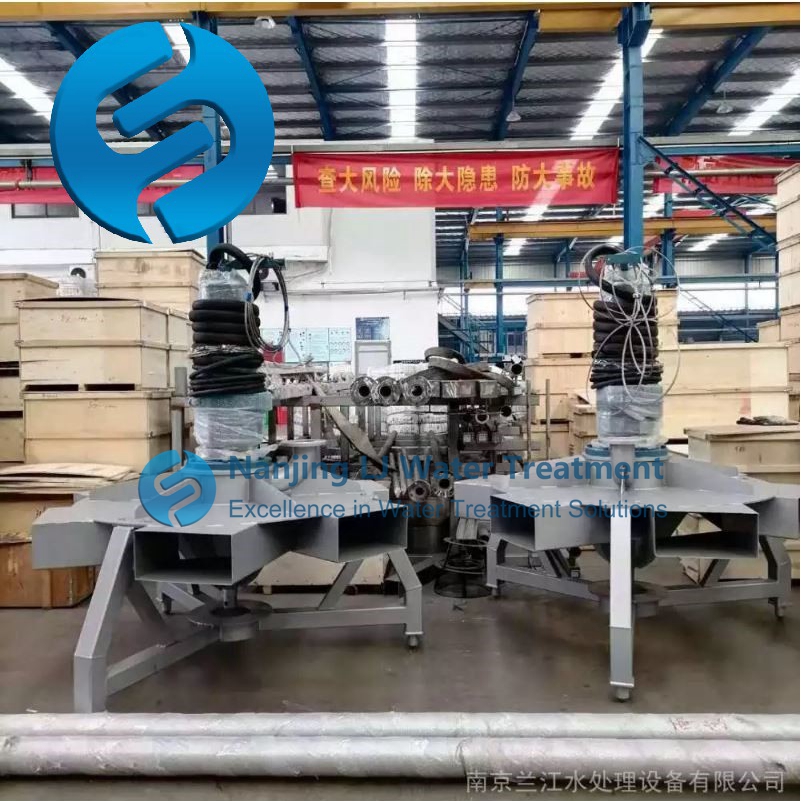
The configuration method of the aeration mixer and the gas supply equipment
When designing the supporting air supply layout for aeration mixers, the matching logic must follow the actual flow field demand of the water body rather than a fixed set of standard parameters. A well-coordinated air supply system can maximize the oxygen dissolution effect while reducing unnecessary energy consumption during long-term operation.Read more
