News
-
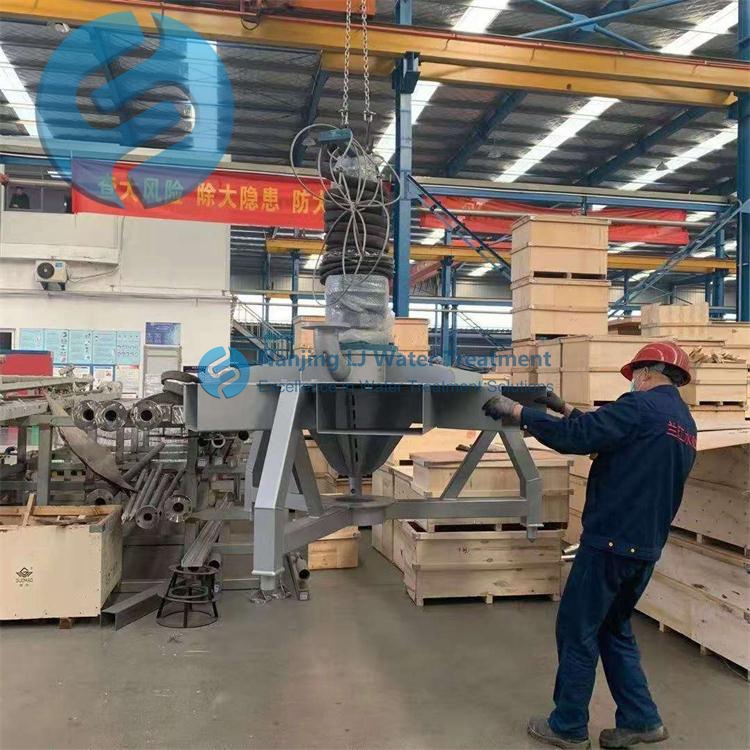
The combined operation scheme of aeration mixer and mixer pump
Combined operation of aeration mixers and flow pushers has become a widely adopted strategy in modern water treatment systems, as it addresses two core challenges that single-unit operation often fails to resolve: maintaining consistent dissolved oxygen penetration at different water depths and preventing sediment accumulation in low-flow corners.Read more -
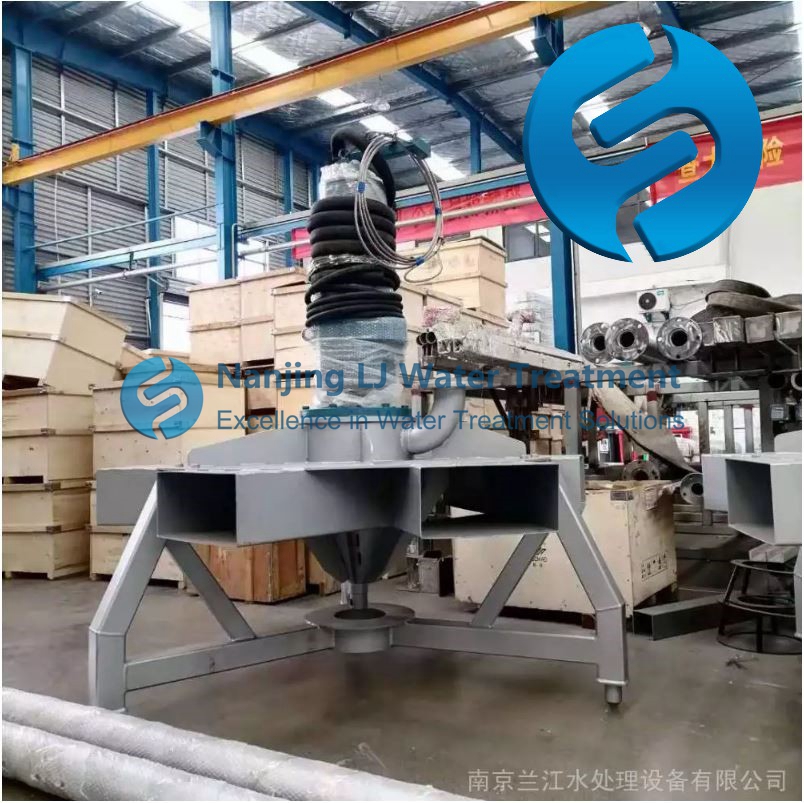
Techniques for Using Aeration Mixers in Combination with Aeration Discs
Proper coordination between aeration mixers and aeration discs directly determines the long-term performance of water treatment systems, and many operators overlook small operational details that lead to uneven oxygen distribution, unnecessary energy waste, and shortened equipment service life.Read more -
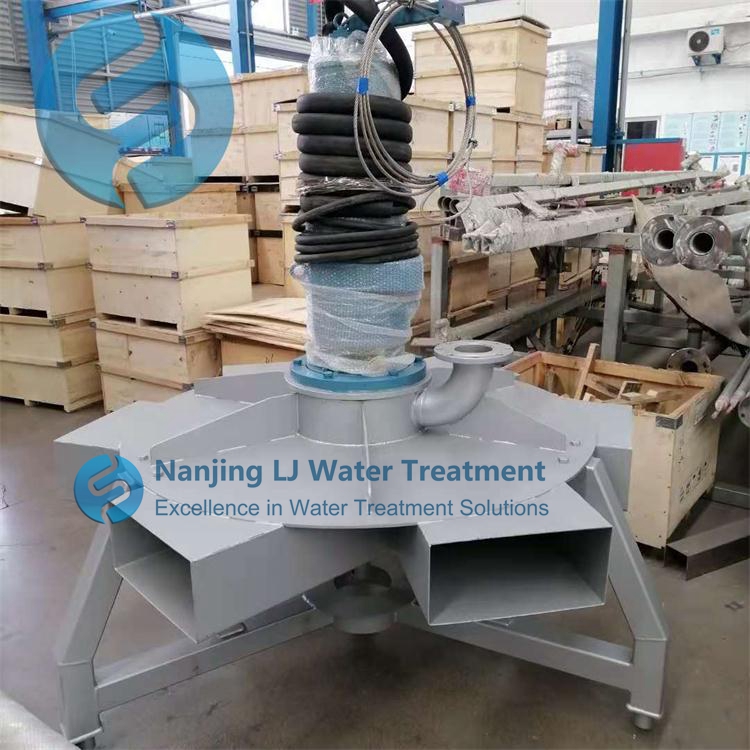
Calculation method for the batch layout quantity of aeration mixer
Calculating the batch deployment quantity for aeration mixers is a practical step that directly affects dissolved oxygen uniformity, flow circulation stability, and long-term biological process performance in water treatment systems.Read more -
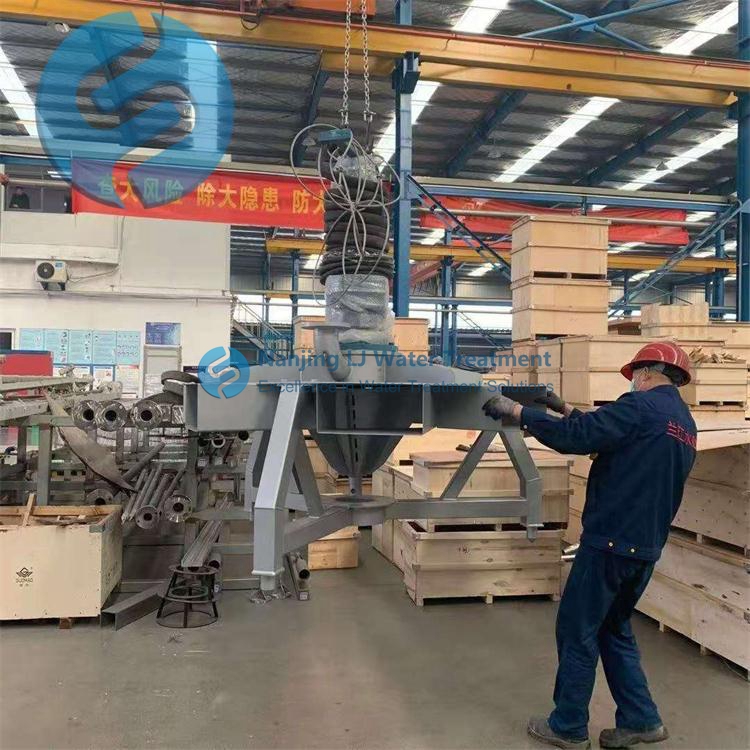
Aeration mixer biochemical process selection and configuration
Selecting and pairing aeration mixers for biological treatment processes directly shapes how consistently dissolved oxygen levels are maintained, how evenly suspended solids stay distributed, and how smoothly microbial communities break down organic matter across different tank geometries and load conditions.Read more -
Selection techniques for the depth of the aeration mixer tank
Tank depth selection for aeration mixing systems directly influences oxygen transfer efficiency, hydraulic retention time, and long-term operational consistency across different wastewater treatment scenarios.Read more
