News
-
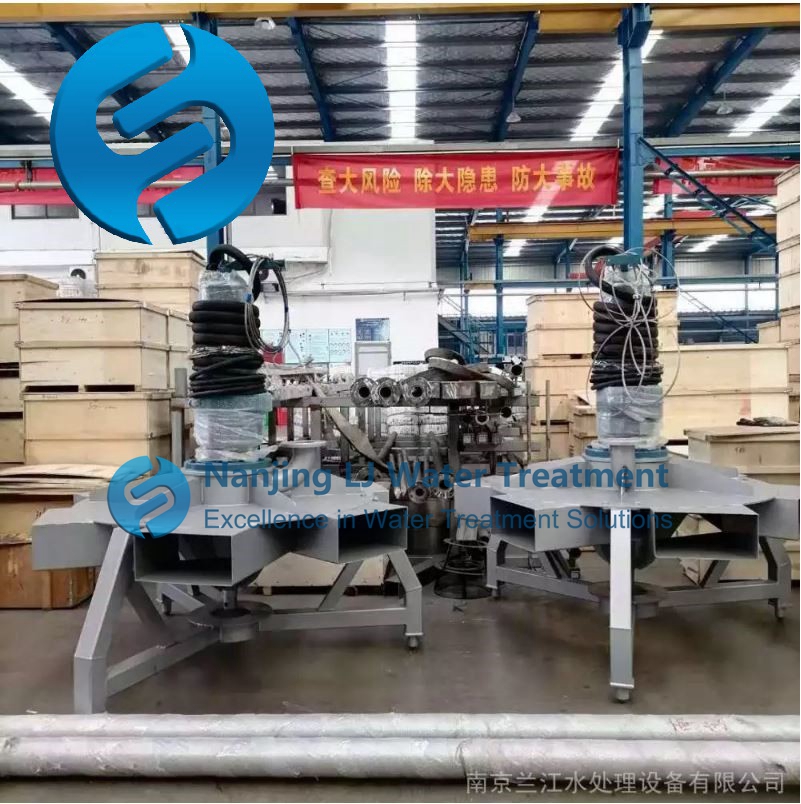
Selection basis for sewage concentration of aeration mixer
When designing an aeration mixing system for wastewater treatment, matching equipment performance to actual sludge and water quality conditions directly determines long-term operational stability and dissolved oxygen transfer efficiency.Read more -
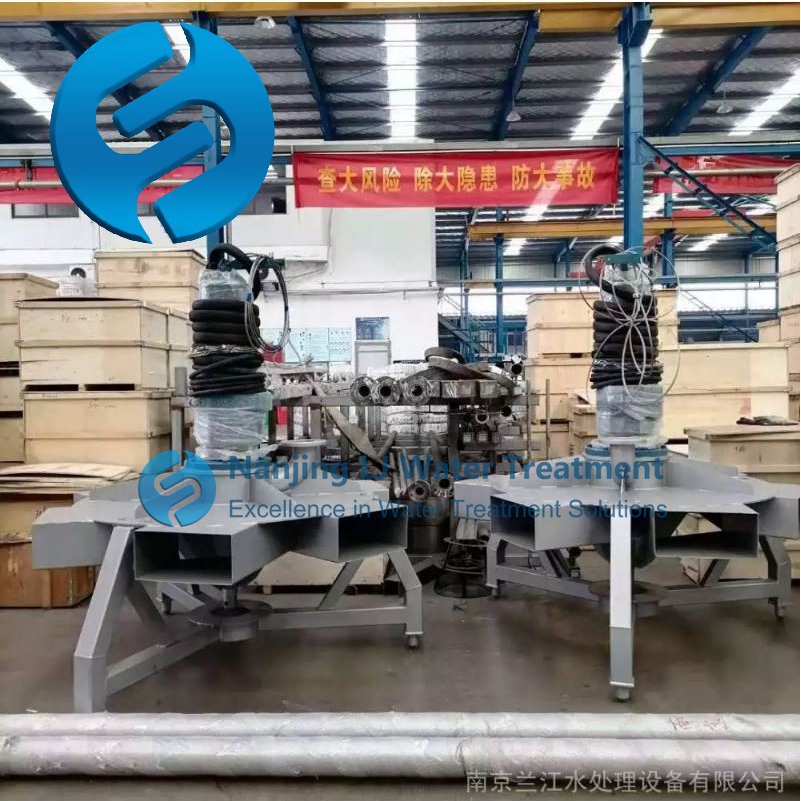
Selection and matching method for water area of aeration mixer
When selecting an aerator mixer for a water body, many operators only refer to the total surface area and end up with a unit that cannot deliver consistent dissolved oxygen levels across the entire zone.Read more -
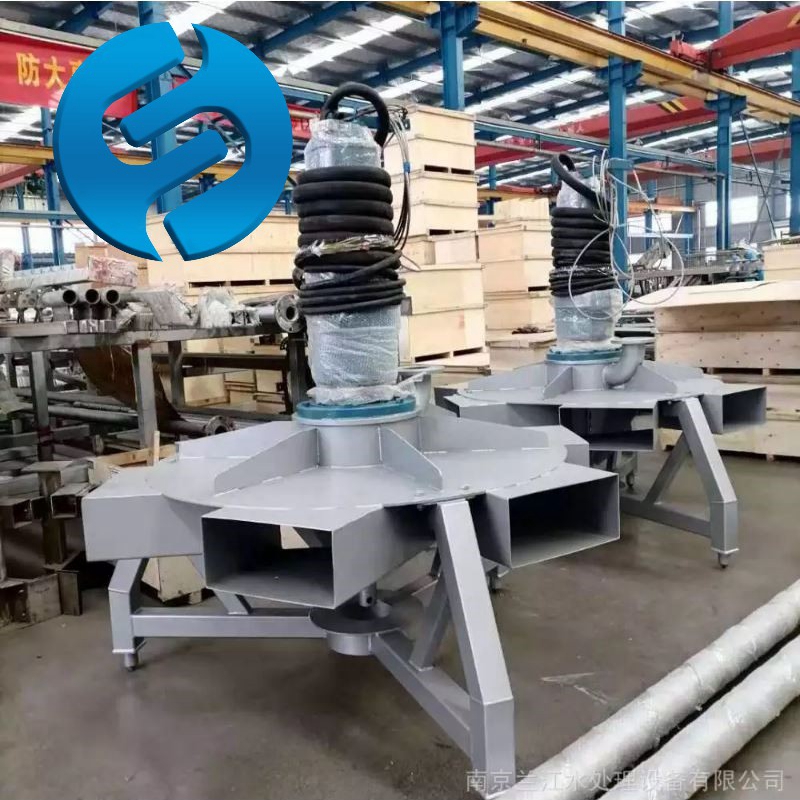
Troubleshooting steps for stopping and inability to restart the aeration mixer
When an aerator mixer shuts down unexpectedly and refuses to restart, many operators immediately assume the entire unit is beyond repair and rush to arrange full disassembly.Read more -
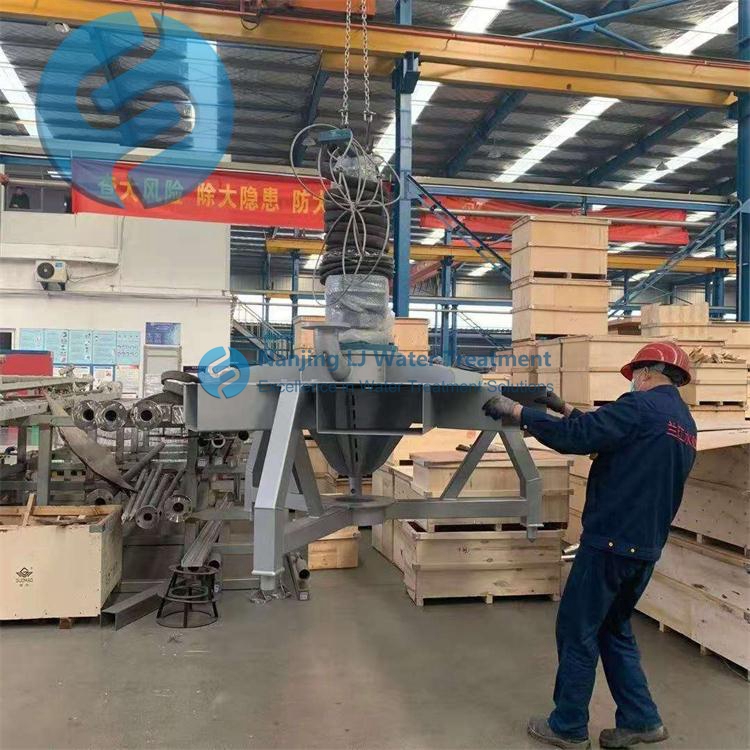
Preventive measures for failure of aeration mixer in sewage operation conditions
Aeration mixers operating under continuous wastewater exposure face constant exposure to suspended solids, biological slime, corrosive compounds, and fluctuating load conditions.Read more -
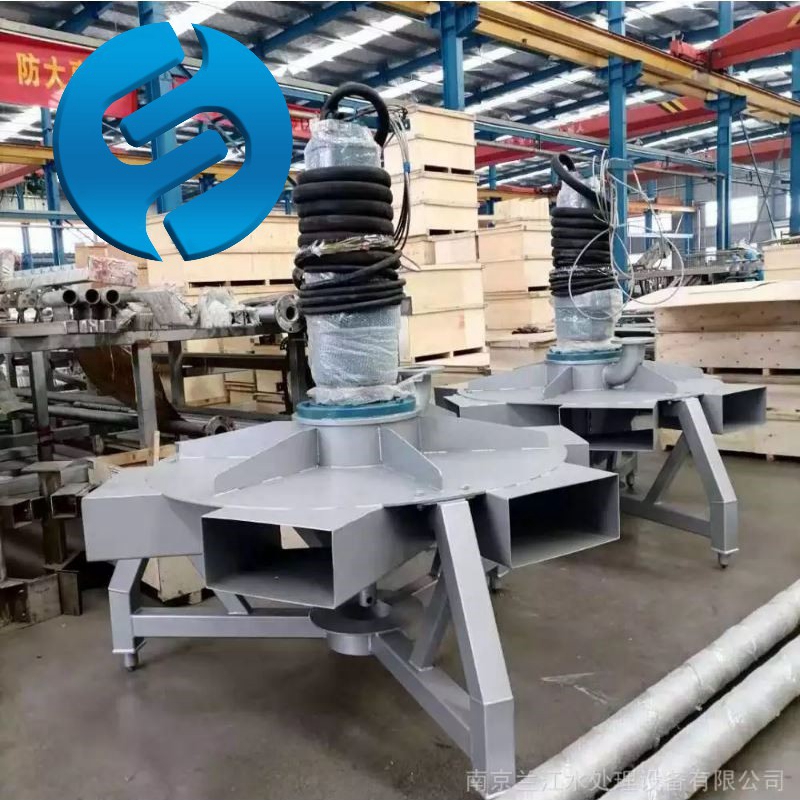
Emergency handling for malfunction of aeration mixer in the aquaculture area
When an aeration mixer fails in a stocked water body, dissolved oxygen levels can drop rapidly and put aquatic life under immediate stress.Read more
