News
-
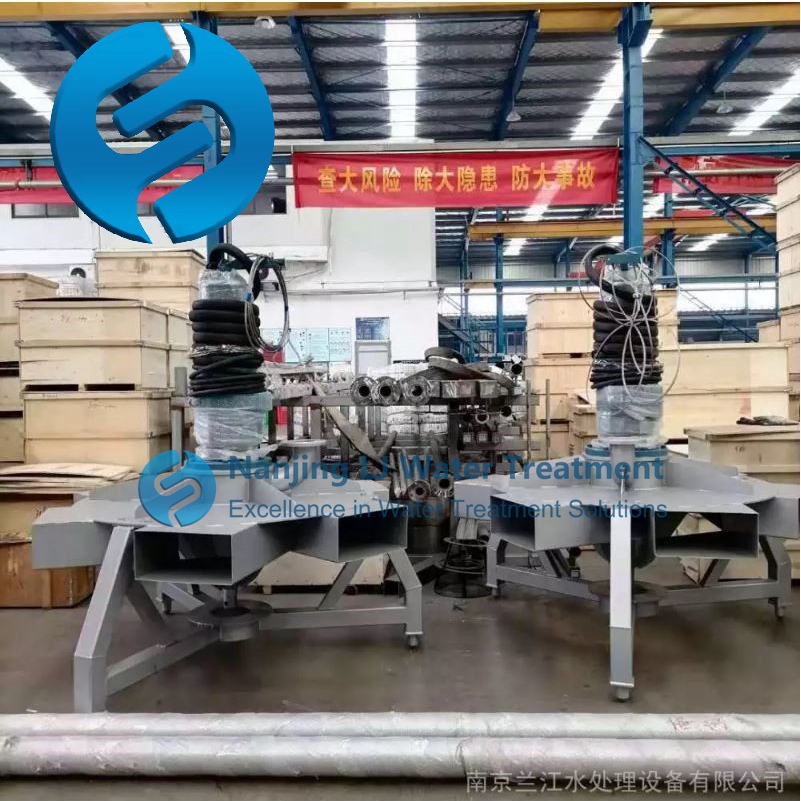
Repair of the leakage fault at the interface of the aeration mixer
Air leakage at the connection points of an aeration mixer often develops slowly over time, starting with tiny bubbles that are easy to overlook during daily operation.Read more -
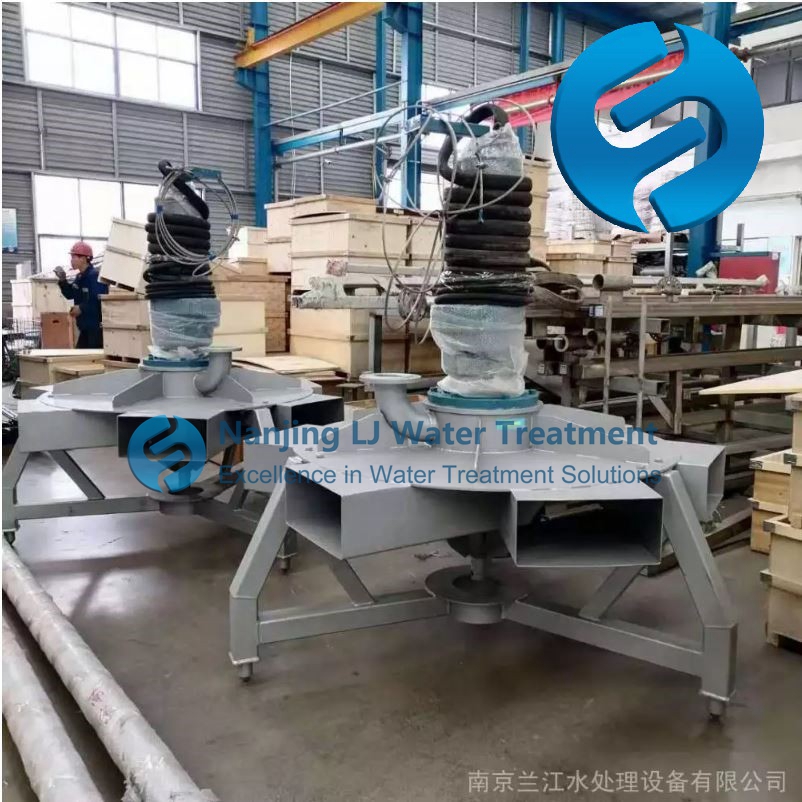
Aeration mixer is aging and lacks power. Repair is required.
When an aeration mixer shows signs of aging and insufficient power, it often fails to maintain stable dissolved oxygen levels, uniform bubble distribution, and consistent mixing performance in long-term operation.Read more -
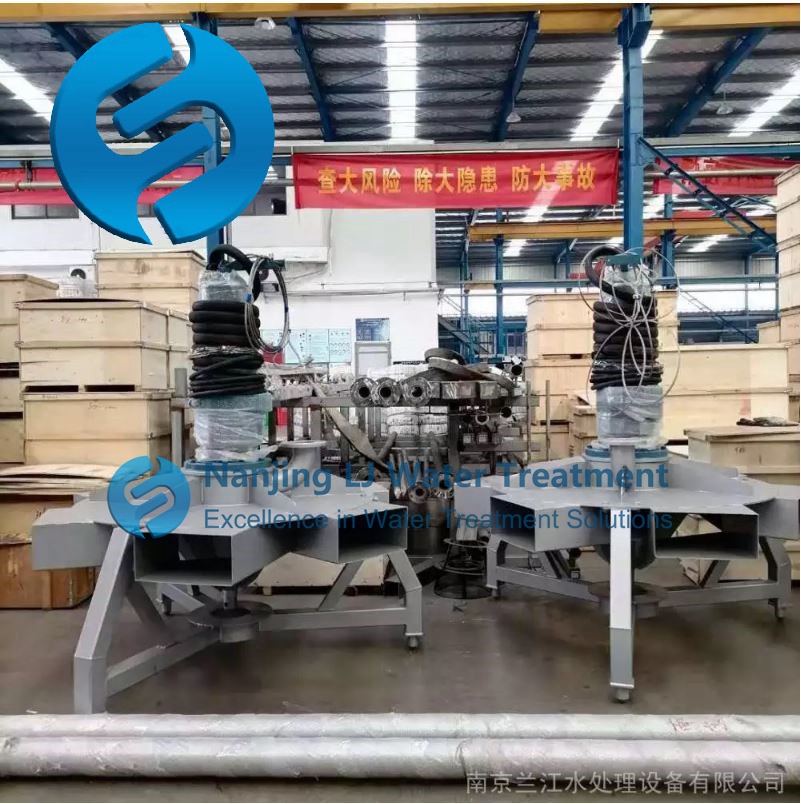
Solution to excessive vibration of the entire aeration mixer unit
Excessive unit vibration on an aeration mixer does not only create noticeable noise. It also accelerates bearing wear, loosens connection points, disturbs stable airflow patterns, and can eventually lead to unexpected downtime that interrupts your entire water treatment or mixing process.Read more -
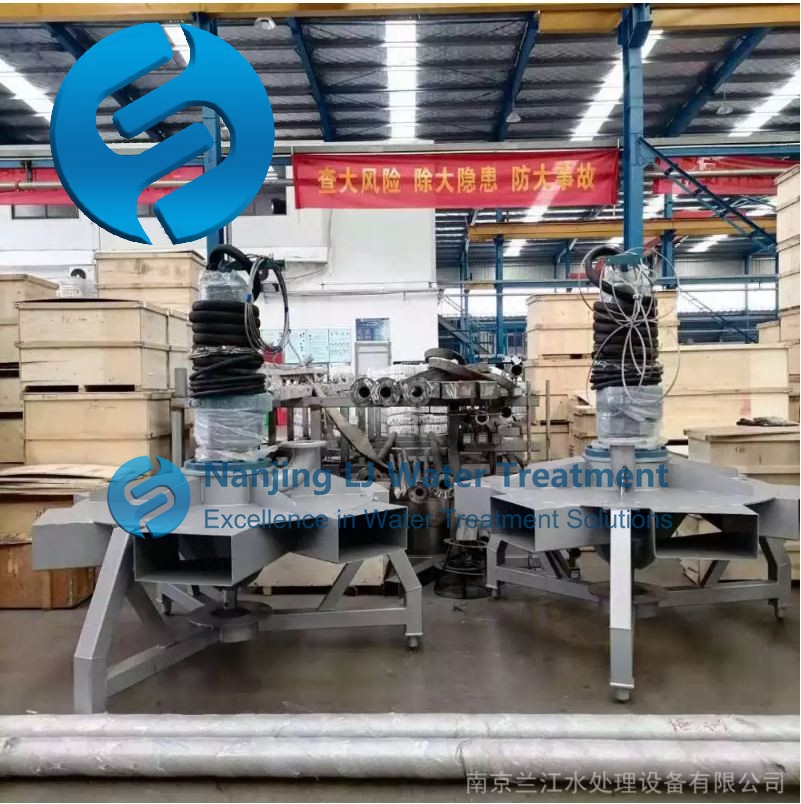
Treatment for excessive bubbles and poor dispersion in the aeration mixer
If you notice large, uneven bubbles rising across your aeration basin, tank, or aquaculture system, you are not just looking at a minor visual issue. Poor bubble dispersion directly lowers dissolved oxygen transfer, wastes blower energy, and creates dead mixing zones that hurt overall process stability. Many operators jump straight to replacing components, but most bubble size and distribution proRead more -
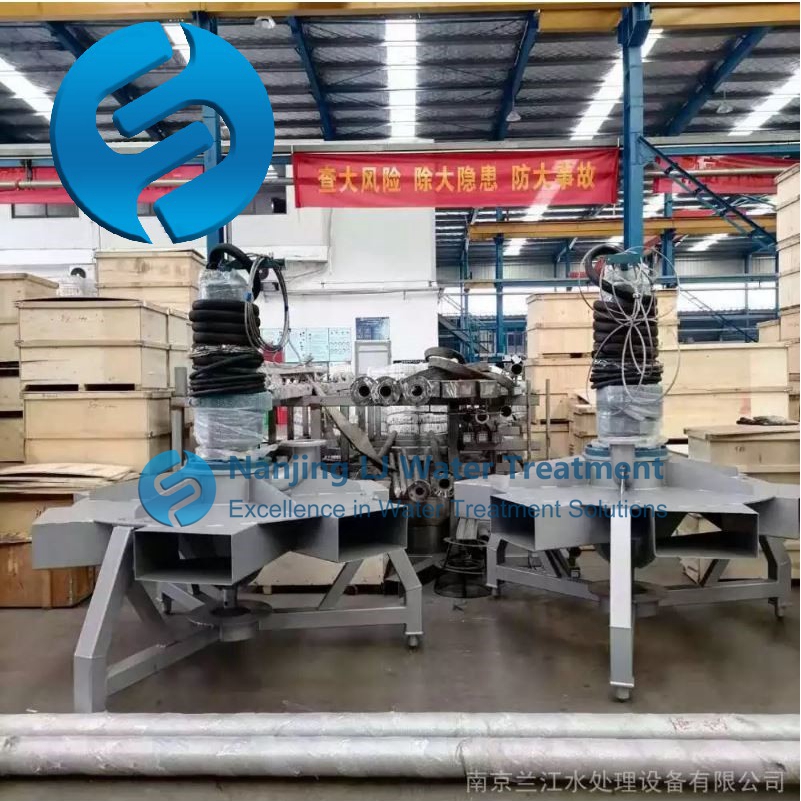
Correction of the malfunction causing deviation in the operation of the aeration mixer
Misalignment during operation of an aeration mixer does not always appear as an obvious shift of the whole unit. It often starts as subtle changes in vibration patterns, uneven bubble distribution, or gradual wear on connection surfaces that operators may overlook during routine walkdowns.Read more
