News
-
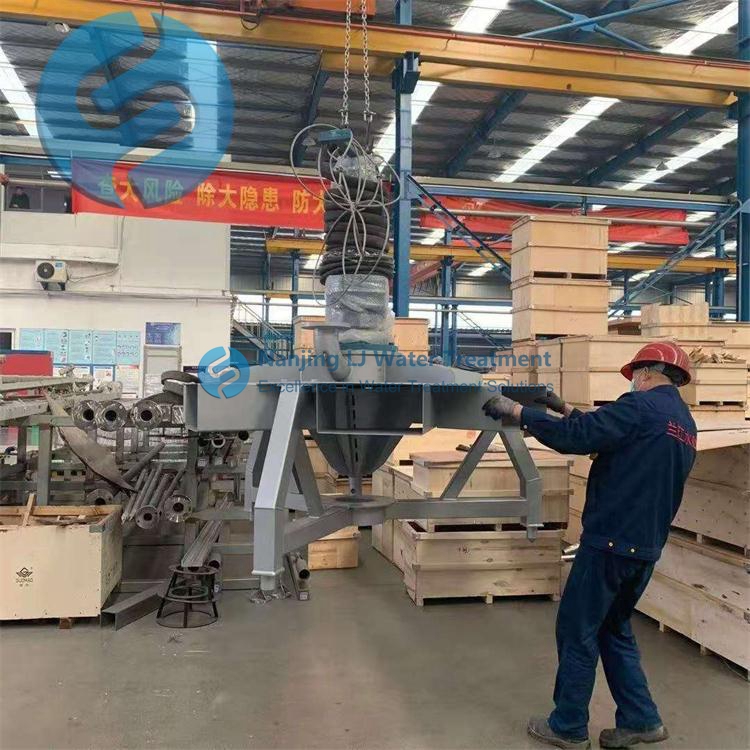
Reformulation of the aeration mixer to address the issue of insufficient water body propulsion
Before any targeted rectification work begins, teams carry out a complete, step-by-step baseline audit to map the exact scope of the underperformance issue. Technicians first record real-time operational data including rotational speed stability, current draw, vibration signatures, and dissolved oxygen distribution across different water depths.Read more -
Troubleshooting for the malfunction of insufficient air intake in the aeration mixer
When an aeration mixer suffers from restricted air intake, operators often notice reduced bubble output, uneven dissolved oxygen distribution, and unexpected drops in mixer performance long before the unit triggers a formal fault alarm. Many teams rush to replace major components without systematically tracing the full air path, which leads to repeated recurrence of the same issue and unnecessaryRead more -

Handling of overload shutdown of the aeration mixer motor
When an aeration mixer triggers an overload shutdown on its motor, immediate unplanned stops can disrupt entire water treatment or process cycles, and rushing to reset the unit without identifying the root cause often leads to repeated trips or permanent component damage. The following structured response workflow prioritizes safety first, then moves through layered checks to resolve the issue witRead more -
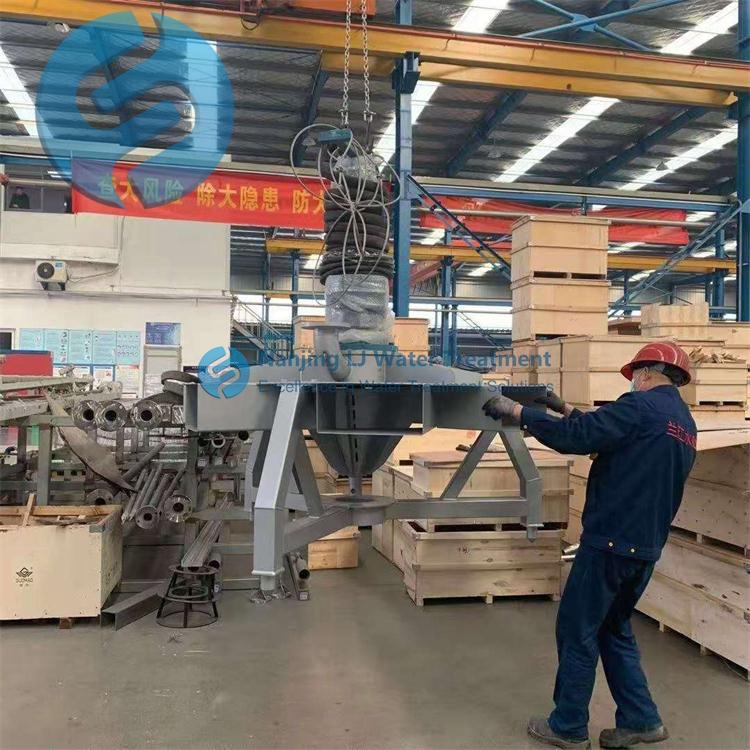
Solution to the abnormal noise problem of the aeration mixer operation
Start with a full, sequential inspection of all rotating and mating mechanical components before making any major adjustments to the system. Begin by isolating the sound source, distinguishing between sharp, high-frequency noises tied to metal-on-metal contact and lower, rumbling vibrations that signal imbalance or misalignment.Read more -
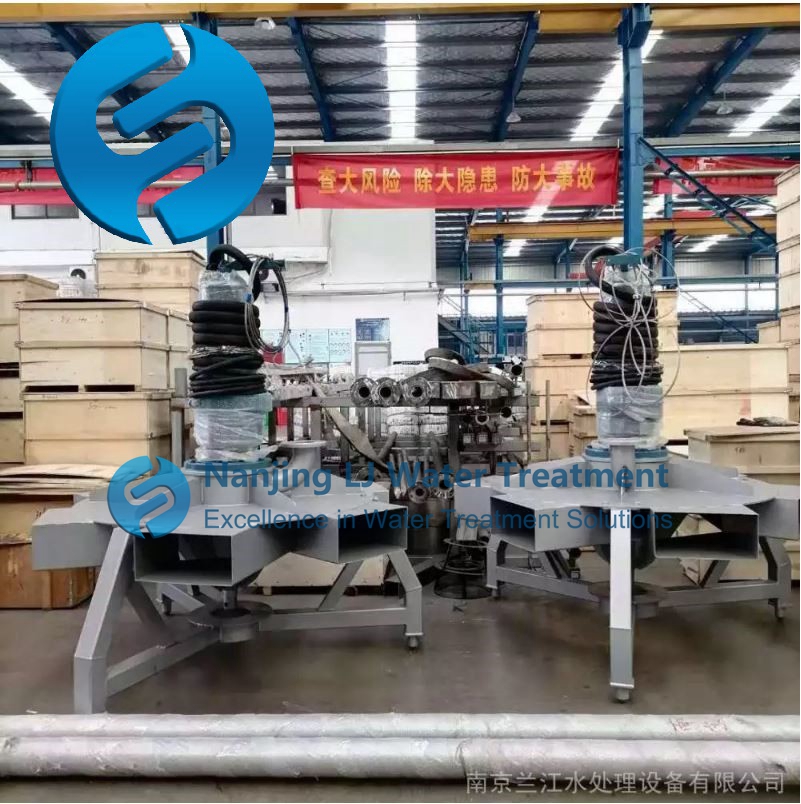
Reasons for and solutions to the weakening of the stirring force of the aeration mixer
Start with a systematic inspection of power transmission components that connect the drive unit to the mixing impeller. Begin by checking for unusual vibration or subtle slippage that does not produce obvious immediate failure, but steadily reduces the torque delivered to the mixing assembly.Read more

