Start with a systematic inspection of power transmission components that connect the drive unit to the mixing impeller. Begin by checking for unusual vibration or subtle slippage that does not produce obvious immediate failure, but steadily reduces the torque delivered to the mixing assembly. Over extended operation, small amounts of accumulated debris, minor wear on connection points, or gradual loss of tension on transmission elements can create a gap between the power output of the drive and the actual force reaching the impeller. This often shows up as a slow, unnoticeable drop in mixing strength that many operators dismiss as normal variation, until the effect becomes pronounced enough to disrupt uniform flow across the entire tank.
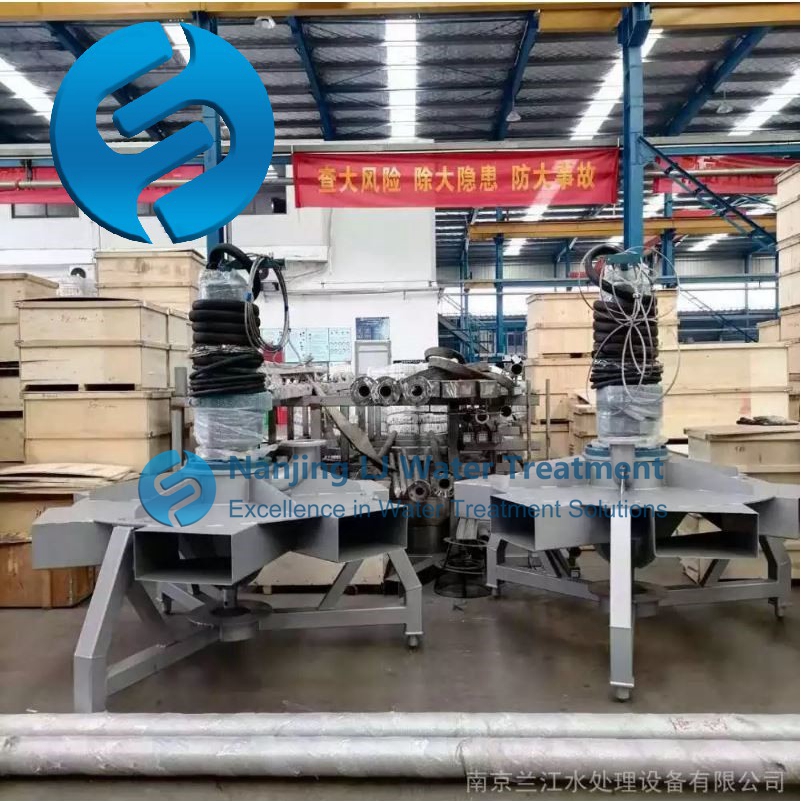
Check for impeller and flow path obstructions that build up gradually over months of continuous operation.
Inspect the full surface of the impeller for tangled fibrous material, caked sediment layers, or uneven deposits that change the original shape and surface profile of the mixing blades.
Even a thin, uneven layer of accumulated material can alter the hydrodynamic performance of the impeller, reducing its ability to pull and push water through the full intended circulation pattern.
Also check the gaps around the impeller housing and nearby structural elements for trapped debris that creates unintended flow resistance, diverting energy away from the main mixing action and lowering the effective stirring force delivered to the water column.
Evaluate system hydraulic conditions that create hidden backpressure and reduce effective mixing output.
Check for unexpected changes in water level, unexpected return flow from connected process lines, or partial blockages in nearby flow channels that create resistance the mixing unit has to work against.
These conditions do not show up as obvious mechanical faults, but they make it harder for the impeller to move water at the original designed rate, making the overall stirring action feel far weaker than it did during initial commissioning.
Small, incremental shifts in these hydraulic factors often go unlogged in standard routine checks, so comparing current operating conditions against baseline records from when the system was first commissioned will quickly reveal if this is the root cause.
Work through a stepwise load test and calibration process after addressing the identified root cause.
Clear all accumulated debris from the impeller and flow paths, reset all transmission tension and alignment to match original operational specifications, and run the unit through a gradual ramp-up cycle while observing real-time flow patterns across different sections of the tank.
Track the uniformity of water movement from the bottom of the tank all the way to the surface, and confirm that no dead zones or low-flow areas remain that were not present when the system was operating at full designed strength.
This structured validation step ensures that the full mixing performance is restored, rather than just applying a temporary fix that will lead to the same reduced stirring strength problem reappearing after a short period of operation.
Post time:2026-09-05
