News
-
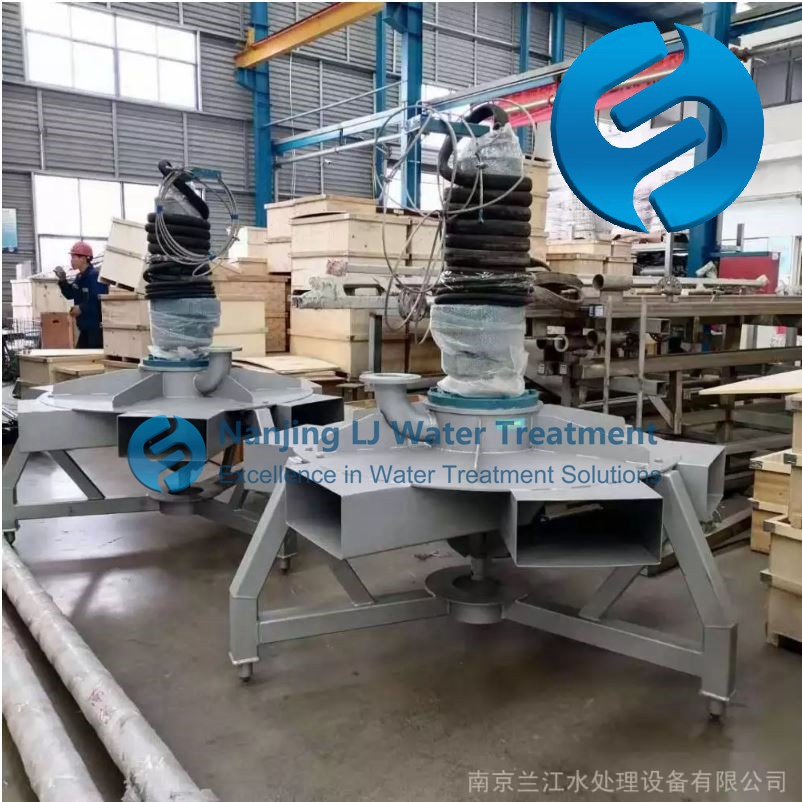
The causes of frequent start-stop faults of the aeration mixer
Frequent cycling of an aeration mixer can disrupt water treatment consistency, shorten component lifespan, and create unexpected process fluctuations that are hard to trace in daily operation. Many operators overlook subtle pre-failure signs and treat random restarts as minor nuisances, until the system drifts far from its designed performance baseline.Read more -
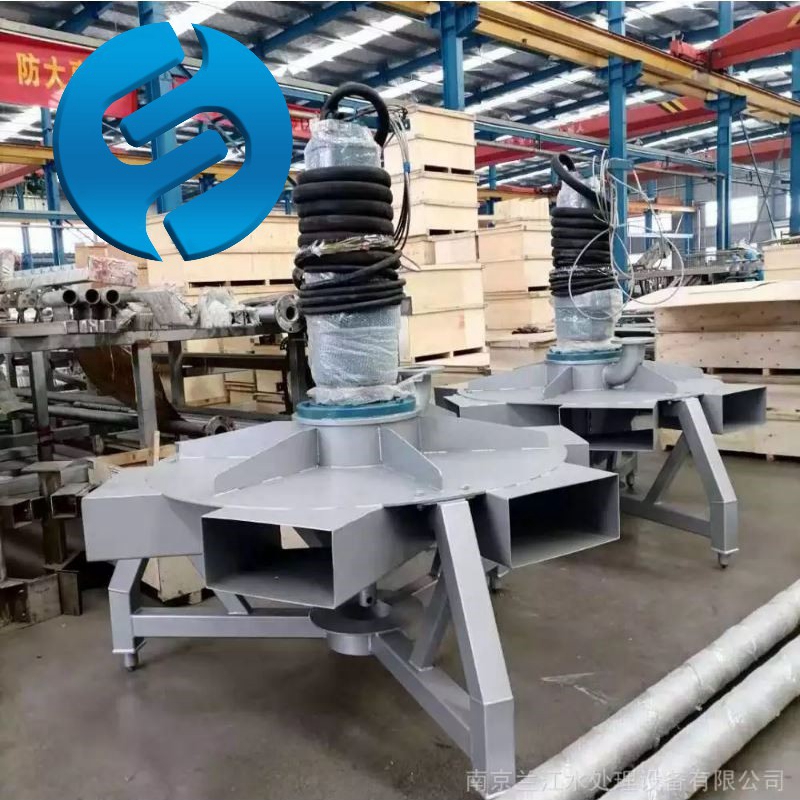
Rectification of uneven aeration distribution in the aeration mixer
Uneven aeration distribution in aeration mixers disrupts fluid mixing efficiency, reduces biological treatment performance, and creates inconsistent dissolved oxygen levels across different zones of the processing tank. This issue often develops gradually over extended operation, making early identification and structured reform and rectification steps critical to restoring stable system performanRead more -
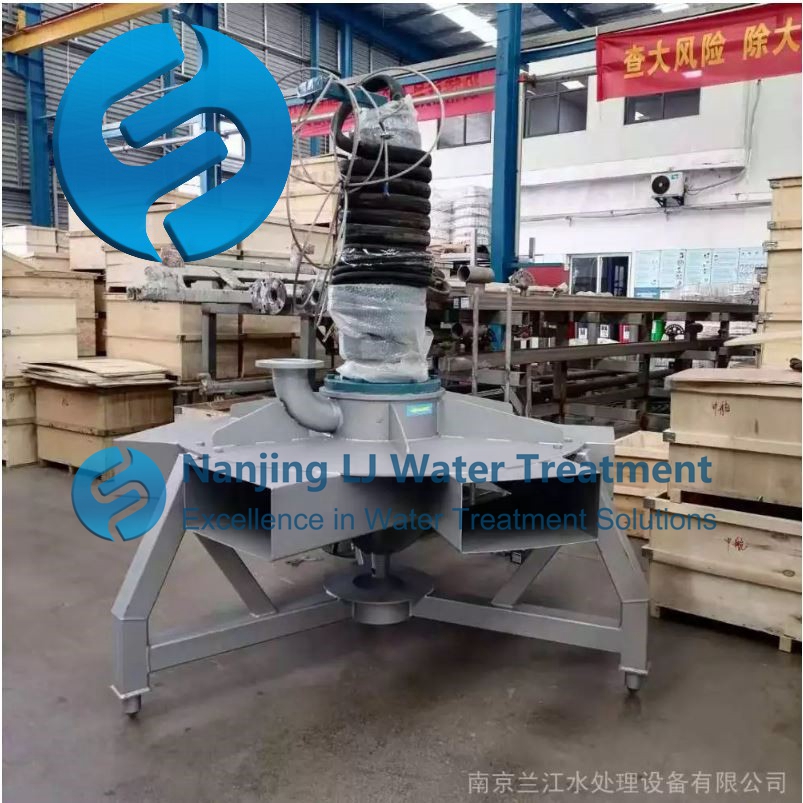
Troubleshooting for the water inlet failure of the aeration mixer system
Read more -

Repair of the leakage problem of the aeration mixer
Water seepage and leakage in aeration mixers are among the most common disruptive issues that operators face in continuous water and wastewater treatment operations, where even small unintended water escape can gradually erode surrounding structural components, disrupt stable dissolved oxygen levels, and create unplanned downtime that interrupts the entire treatment workflow.Read more -
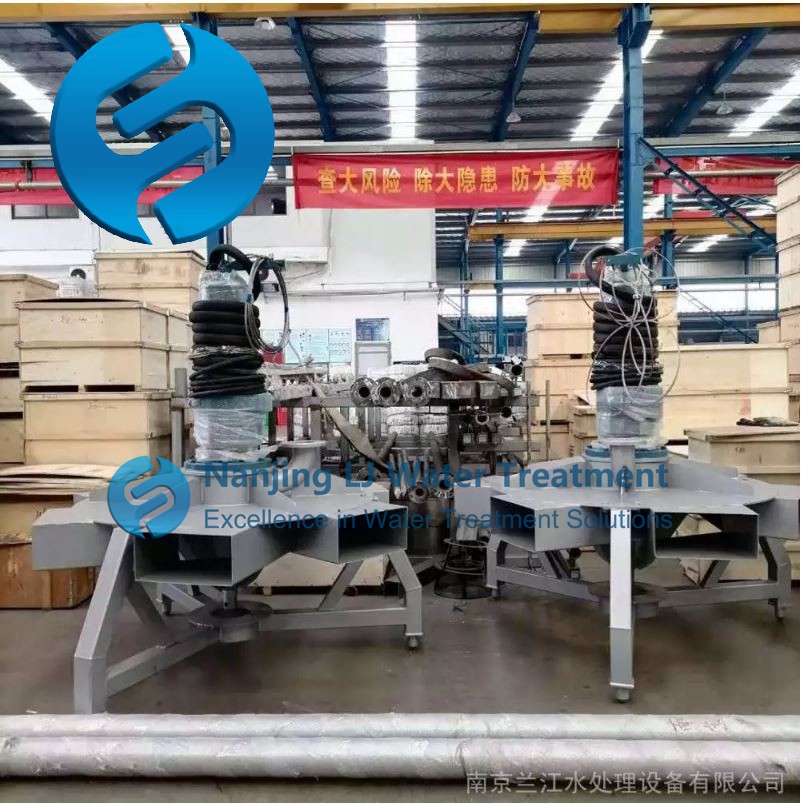
Treatment for the jamming and stalling of the impeller of the aeration mixer
Implementing Full Lockout and Pre-Inspection Safety Protocols Before any hands-on inspection or repair work begins, crews follow strict, documented safety procedures to isolate all connected power, air, and hydraulic supply lines.Read more
