News
-
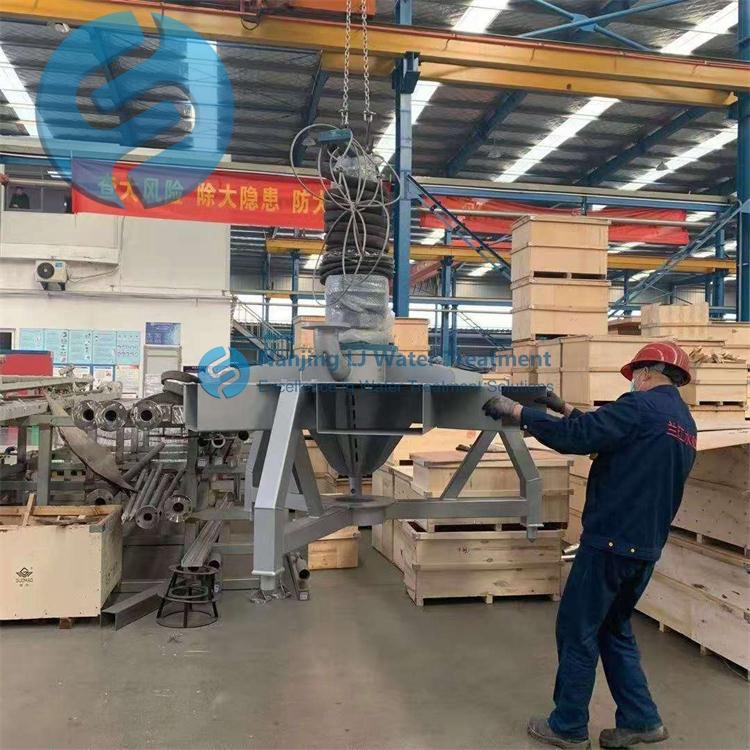
Selection method for aeration mixer in small-scale sewage tanks
Selecting the right aeration mixer for a small wastewater basin requires careful consideration of site-specific conditions, operational demands, an Shallow basins under 2.5 meters in depth require different flow patterns compared to deeper structures, as vertical bubble rise alone cannot guarantee full water circulation across the entire tank volume.Read more -
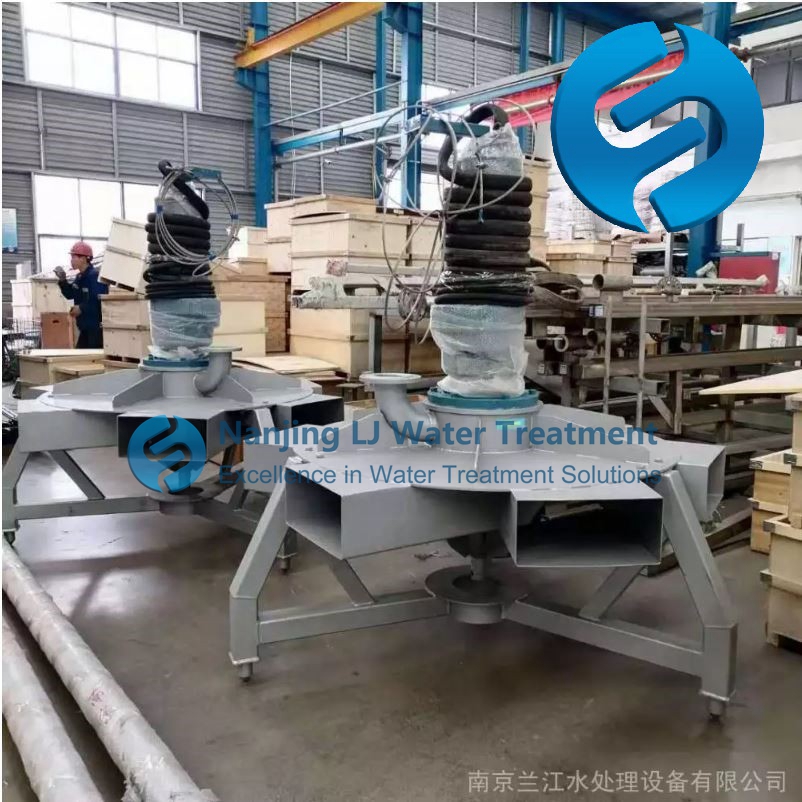
Selection and Adaptation Principles for Aeration Mixer in River Channel Management
Aeration mixer selection for river restoration projects requires careful alignment with unique site conditions, pollution profiles, and long-term ecological goals.Read more -
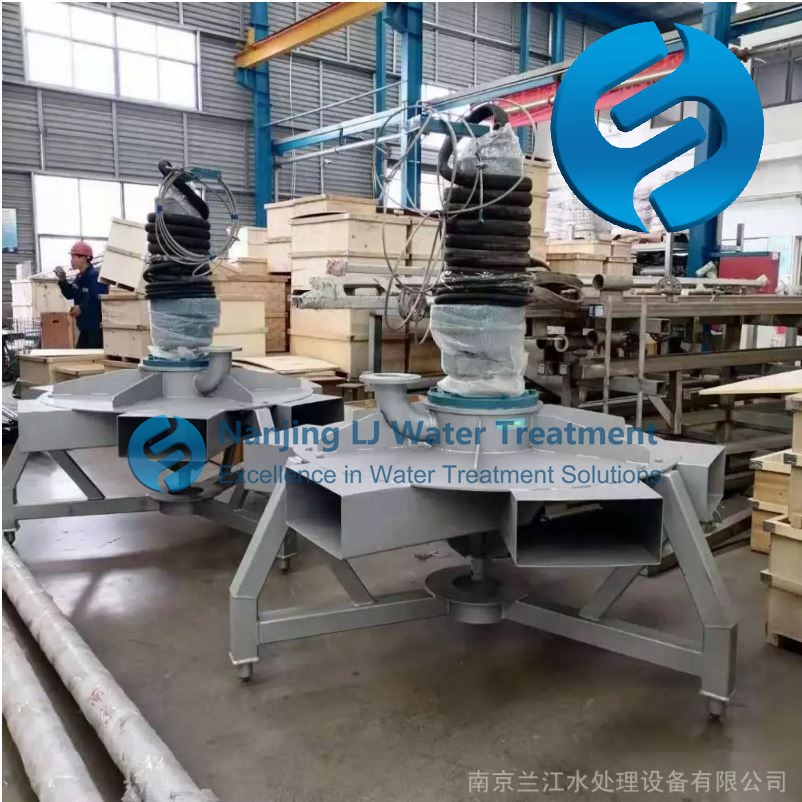
Selection Key Points for Aeration Mixers in Aquaculture Applications
Choosing the right aeration mixer for aquaculture directly impacts long-term pond performance, stocking density, and overall operational stability.Read more -
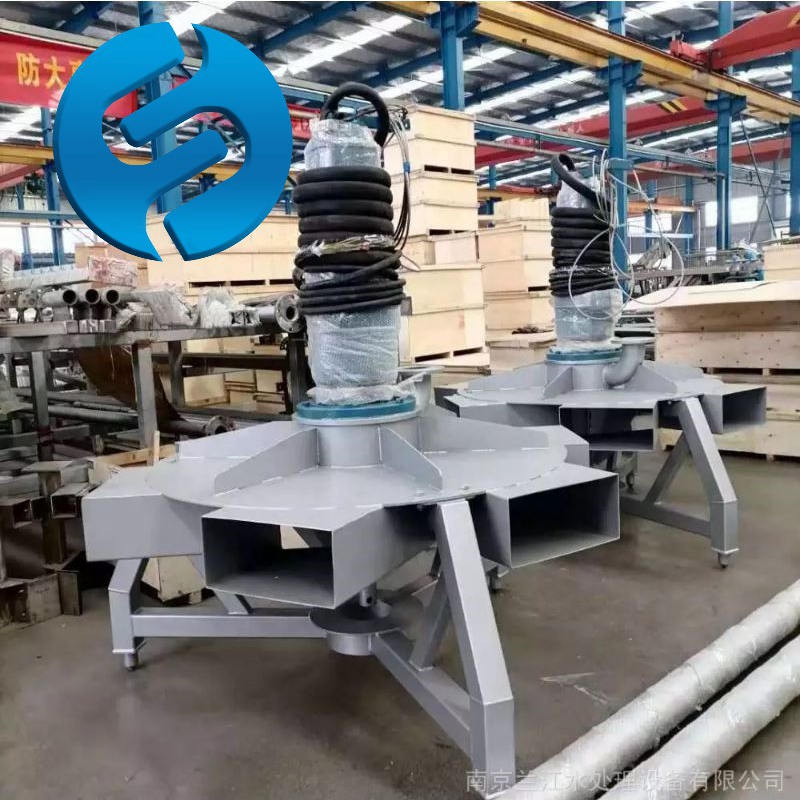
Selection criteria for aeration mixer in high corrosion-resistant conditions
The foundation of reliable corrosion resistance for aeration mixers in harsh operating environments begins with precise material matching to the specific chemical composition of the process stream.Read more -
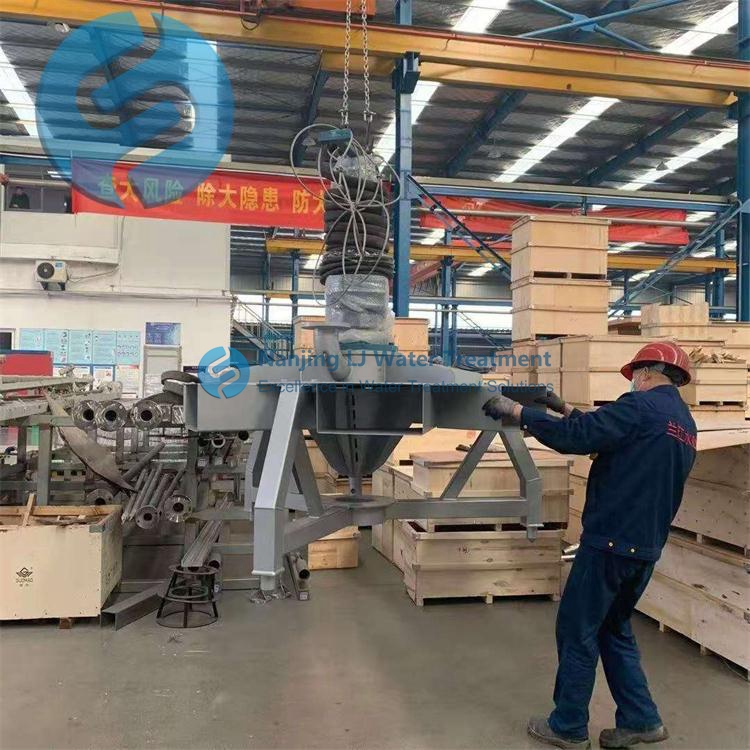
Key points for selecting low-energy consumption models of aeration mixers
Selecting an energy-efficient aeration mixer starts with matching its power profile to the actual process requirements, rather than over-sizing the unit to cover hypothetical peak loads.Read more
