In industrial and municipal wastewater treatment systems, the regulating tank acts as the first critical buffer barrier that absorbs all the fluctuations and irregularities of incoming water quality before the wastewater flows into the subsequent biochemical treatment units. The aeration mixing function applied in this tank does far more than just prevent sludge settling, it creates a stable, uniform water quality environment that lays a solid foundation for the entire downstream treatment process to run smoothly.
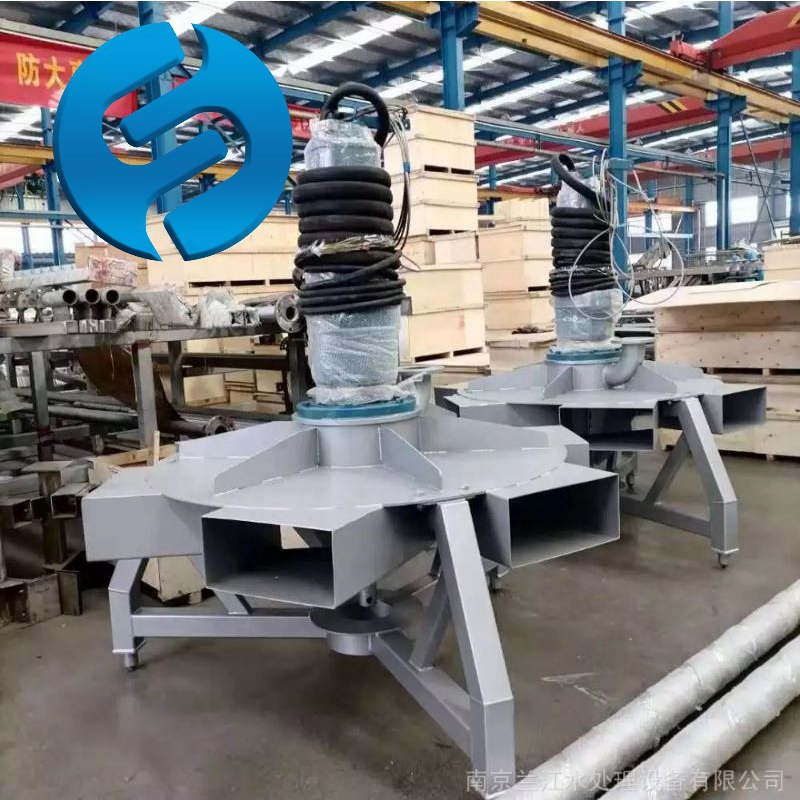
Smoothing Out Peak Organic Load Fluctuations
The core function of mixing in the regulating tank is to dilute and homogenize the sudden spikes of high-concentration organic pollutants that often come from irregular industrial discharge or peak municipal water usage periods.
When batches of high-strength wastewater with extremely high COD or BOD levels enter the tank in a short period, the continuous circulating flow spreads these concentrated pollutants evenly across the full volume of the regulating tank, instead of letting them rush directly into the aerobic tank at a toxic concentration that would shock and deactivate the aerobic microbial community. This even distribution also eliminates the dead zones where high-concentration organic matter would otherwise get trapped and undergo local anaerobic acidification, preventing the formation of sudden pH drops that could disrupt the delicate chemical balance of the entire treatment line. Even when the incoming water flow rate changes drastically within a few hours, the well-mixed environment ensures that the water flowing out of the regulating tank maintains a relatively stable organic load, so the downstream biochemical system never has to deal with unexpected extreme load changes that would cause performance drops.
Balancing pH and Neutralizing Alkalinity Variations
Properly controlled aeration mixing in the regulating tank helps create a uniform chemical environment that makes pH adjustment far more accurate and reliable, without the risk of local over-adjustment.
When acidic or alkaline industrial wastewater enters the tank in separate batches, the gentle mixing action spreads these extreme pH streams evenly through the whole water volume, so the neutralizing chemicals added for pH adjustment can make contact with every part of the water quickly and fully. This eliminates the dangerous local zones where a large amount of acid or alkali would otherwise accumulate, preventing situations where a small section of the tank hits a pH level high or low enough to damage the structure of the tank or interfere with the activity of pre-existing microbial populations. The slow air bubbles released during the aeration process also strip out part of the volatile acidic or alkaline substances that are dissolved in the raw wastewater, reducing the total amount of neutralizing chemicals needed later in the treatment process and making the whole pH regulation process far more stable.
Preventing Suspended Solids Sedimentation and Anaerobic Decomposition
The sustained mild mixing in the regulating tank stops heavy suspended solids from settling and forming thick sludge layers at the tank bottom, which is a common source of secondary pollution in under-maintained regulating tanks.
Without proper mixing, organic suspended particles would settle and build up thick static sludge layers that start to ferment anaerobically, releasing foul-smelling gases and generating extra dissolved pollutants that would make the water quality even worse than the raw incoming wastewater. The continuous slow water movement keeps all these suspended organic particles in a gentle flowing state, so they stay mixed evenly with the rest of the water and do not get the chance to form compact settled sludge deposits. The small amount of dissolved oxygen introduced by the aeration action also keeps the whole tank in a micro-aerobic state, completely stopping the growth of anaerobic sulfate-reducing bacteria that produce corrosive hydrogen sulfide gas, which protects the tank walls and connected pipelines from long-term corrosion damage and removes most of the odor issues that usually plague enclosed regulating tank structures.
Post time:2026-07-02
