High oxygen transfer efficiency is the defining performance metric for aeration mixers, as it directly determines how effectively input energy is converted into dissolved oxygen that supports biological activity in water. Unlike basic aeration equipment that simply releases coarse bubbles near the surface, aeration mixers with high oxygen transfer efficiency integrate precise fluid dynamics and air shearing mechanisms to maximize the contact time between air and water. This characteristic makes them a critical solution for operations where consistent dissolved oxygen levels are non-negotiable, from large-scale industrial wastewater treatment to intensive aquaculture production systems.
Core Design Principles Behind High Oxygen Transfer Performance
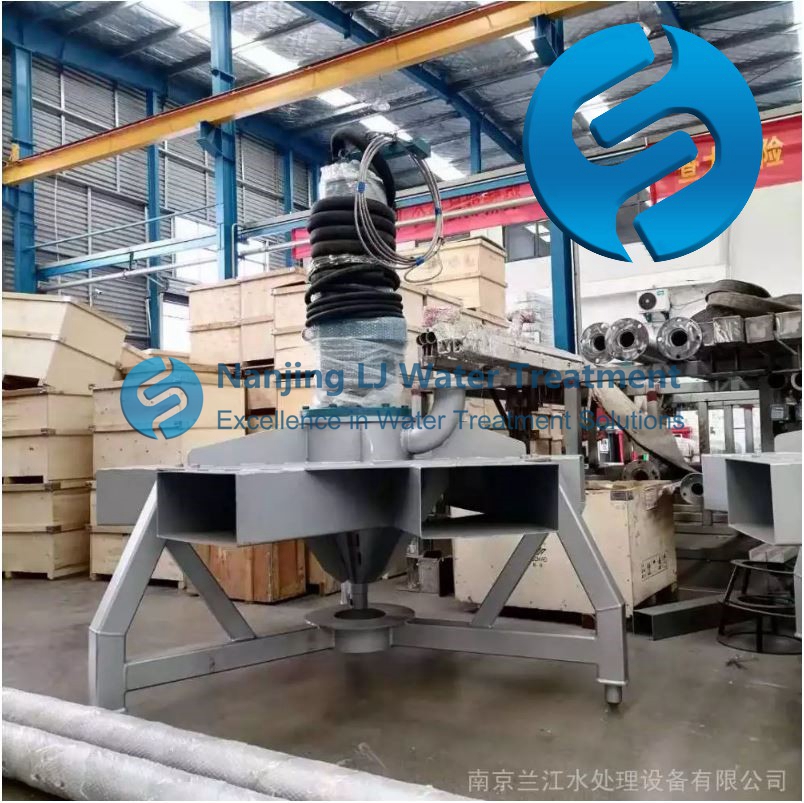
The structure of these aeration mixers is engineered to break incoming air streams into extremely fine microbubbles the moment they enter the water column. Smaller bubbles create far more total surface area for gas exchange than large, rapidly rising bubbles, allowing oxygen molecules to dissolve into the surrounding water before the bubble escapes to the atmosphere. The internal flow path of the mixer directs this bubble-laden water outward in a wide, high-velocity plume that travels horizontally across the tank, rather than letting bubbles rise straight to the surface immediately. This extended travel path gives every bubble more time to interact with the water, and the continuous circulation pattern ensures that even water in deep or distant sections of the basin gets fully exposed to oxygen-rich flow.
Performance in Activated Sludge and Industrial Wastewater Treatment
In activated sludge processes, high oxygen transfer efficiency directly supports the metabolic activity of aerobic microbes that break down organic pollutants, ammonia, and other contaminants in wastewater. When oxygen is delivered uniformly across the entire basin, there are no localized low-oxygen zones that can slow down biological treatment or lead to incomplete decomposition of waste materials. This consistent oxygen availability also allows operators to adjust organic loading rates more flexibly, as the system can reliably deliver the dissolved oxygen required to match shifting incoming waste volumes. Many industrial facilities that process high-strength organic wastewater rely on these aeration mixers to maintain stable treatment performance even during peak production periods, when contaminant levels in the water rise sharply.
Benefits for Aquaculture Pond and Recirculating System Operations
For aquaculture applications, high oxygen transfer efficiency directly translates to more stable growing conditions for shrimp, fish, and other aquatic stock. Even in ponds with high stocking densities, these mixers can maintain uniform dissolved oxygen levels from the water surface all the way down to the pond bottom, eliminating the oxygen stratification that often causes stress or mortality during warm weather. The fine bubbles generated by the mixer also help lift and suspend fine organic waste particles, moving them toward designated collection points instead of letting them decompose anaerobically on the pond floor. In recirculating aquaculture systems, this level of consistent oxygen delivery supports higher feed conversion ratios, as aquatic animals do not need to expend extra energy searching for oxygen in low-oxygen areas of the tank.
Every operational detail of these systems, from the angle of the flow discharge to the precision of the air distribution channels, is calibrated to minimize wasted energy and maximize usable dissolved oxygen output. This means less of the power consumed by the unit is lost to heat, unnecessary turbulence, or bubbles that never contribute to actual oxygen uptake in the water. Over long continuous run times, this consistent performance creates measurable improvements in process stability, reducing the risk of unexpected operational disruptions that can impact both wastewater compliance and aquaculture production yields.
Post time:2026-11-08
