Self aspirating aeration mixers have become a staple in water and wastewater treatment systems, as well as in many aquaculture operations where consistent oxygen distribution and thorough liquid mixing are critical. Unlike traditional systems that rely on external blowers, dedicated air lines, and separate mixing units, these machines generate negative pressure through their rotating components, drawing ambient air directly into the liquid phase without additional gas delivery equipment. This integrated design means the same unit can perform two core functions at once: introducing large volumes of fine air bubbles into the water while creating continuous, turbulent flow that keeps suspended solids, microbial colonies, and dissolved oxygen evenly distributed across the entire tank or pond.
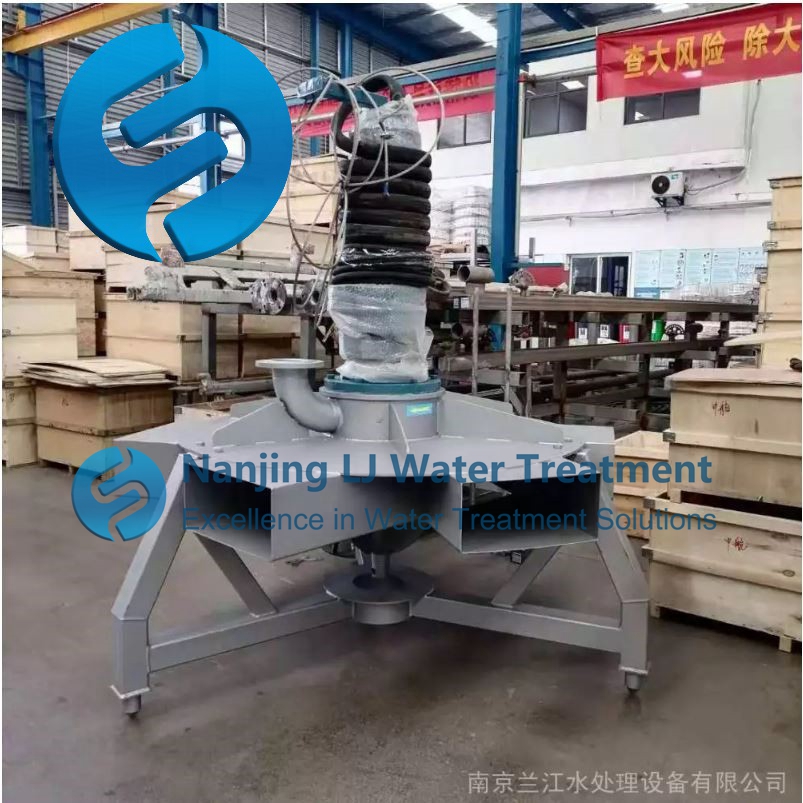
Many operators first turn to this type of equipment because it eliminates much of the complexity that comes with multi-component aeration setups. There is no need to design and install a network of diffuser lines running along the tank floor, no separate blower room with noise and heat management requirements, and far fewer connection points that can develop leaks or suffer from pressure loss over time. This makes the overall system layout much simpler, especially in facilities where space is limited or where retrofitting an existing tank would require extensive civil work to accommodate traditional aeration infrastructure.
Working principles and core performance characteristics
The operating mechanism of a self aspirating aeration mixer revolves around a hollow shaft structure that connects the upper air intake to the rotating impeller located deep below the water surface. As the impeller spins at carefully calibrated speeds, it creates a localized low-pressure zone right at the point where water flows past its blades. The pressure difference between the atmosphere above the water and this low-pressure zone pulls air down through the hollow shaft, where it is immediately ejected through small openings on the impeller surface. The high rotational speed of the blades then shears the incoming air stream into a dense cloud of micro-sized bubbles that disperse rapidly outward into the surrounding liquid.
This direct, in-line mixing process gives the system a distinct advantage in gas-liquid mass transfer compared to basic surface aerators or coarse bubble diffusers. The bubbles remain suspended in the water column for a much longer period, and the constant turbulence generated by the mixer ensures that fresh, oxygen-rich water is continuously circulated back toward the impeller zone, rather than allowing dissolved oxygen to build up only near the surface. Many field observations show that well-calibrated units can achieve oxygen transfer rates 1.5 to 2 times higher than standard low-speed mixers that do not have self-aspirating capabilities.
Another important performance trait is the ability to maintain stable operation even under varying water level conditions. As long as the upper air intake remains above the water line and the impeller stays fully submerged, the system will continue drawing in air and producing consistent bubble flow, even if pond levels rise or fall by several dozen centimeters over the course of a season. This is particularly valuable in outdoor treatment lagoons and open aquaculture ponds where water levels shift naturally due to rainfall, evaporation, or routine water exchange cycles.
Application in industrial wastewater and activated sludge processes
In industrial wastewater treatment, maintaining a uniform blend of dissolved oxygen, activated sludge flocs, and organic contaminants is one of the most important prerequisites for stable biological treatment performance. When dead zones form at the bottom of aeration tanks, settled sludge can turn anaerobic, producing odors, rising sludge clumps, and unexpected spikes in effluent quality that are difficult to correct quickly. Self aspirating aeration mixers address this problem by combining strong horizontal and vertical flow patterns with continuous aeration, so no section of the tank is left with insufficient mixing or low dissolved oxygen for extended periods.
For facilities handling high-strength organic wastewater from food processing, pharmaceutical manufacturing, or chemical production, the ability to operate without external blowers also reduces the risk of process interruptions caused by blower motor failure, blocked air filters, or damaged distribution piping. Operators can position individual mixers at strategic points across the tank floor to create overlapping circulation patterns that cover the entire volume, making it easy to adjust the overall system capacity by adding or removing units as wastewater loading rates change throughout the year. This modular approach is especially useful for smaller industrial plants that do not have the budget or footprint for a large, centralized blower house and complex diffuser network.
Many retrofitting projects also benefit from the fact that these mixers can often be installed without draining the entire aeration basin. Instead of demolishing existing tank floors to lay new diffuser lines, teams can lower the units directly into the water from walkways above, secure them in place, and bring them online while the rest of the treatment system continues running at full capacity. This eliminates the costly and logistically challenging process of diverting all incoming wastewater to temporary holding tanks during an upgrade, which is a major advantage for facilities that cannot afford extended downtime due to strict local discharge permits.
Use cases in aquaculture and recirculating water systems
In shrimp ponds, fish farming operations, and large-scale aquaculture recirculating systems, uneven oxygen distribution is one of the most common causes of slow animal growth, stress-related disease outbreaks, and unexpected mortality events. Traditional paddlewheel aerators often create high-oxygen zones near the machine itself while leaving large areas of the pond bottom with very low dissolved oxygen, especially in deeper ponds where stratification can create a distinct separation between warm, oxygen-rich surface water and cool, oxygen-depleted water near the sediment layer.
Self aspirating aeration mixers break down this thermal and chemical stratification by pulling water up from the lower depths and mixing it thoroughly with newly aerated flow, so oxygen levels stay consistent from the water surface all the way down to the pond bottom. This creates a far more stable living environment for benthic species like shrimp, which spend most of their life cycle near the pond floor and are extremely sensitive to sudden drops in dissolved oxygen that often happen at night or during overcast weather. The continuous water movement also helps suspend fine organic waste particles so they can be processed by natural bacterial colonies or removed by mechanical filtration units in the recirculation loop, rather than settling into the sediment and creating long-term water quality problems.
For larger commercial aquaculture farms, the simplified maintenance profile of these units also translates to fewer labor hours spent on routine system checks. There are no diffuser membranes that can clog with mineral deposits or biofilm over months of continuous operation, no air lines that need to be pressure tested for leaks, and no large blowers that require frequent filter changes and bearing lubrication. Operators can focus their time on monitoring water quality parameters, adjusting feeding rates, and managing animal health, rather than spending a disproportionate amount of their workweek troubleshooting aeration system failures.
Key considerations for long-term reliable operation
Even the most robust self aspirating aeration mixer systems will underperform if they are not matched properly to the specific physical and chemical conditions of their operating environment. One of the most important factors to evaluate during initial design is the total depth of the tank or pond, because excessive submergence of the impeller can increase hydrostatic pressure to a point where the negative pressure generated by the rotating blades is no longer strong enough to draw in sufficient volumes of air. This is why many deep basin installations use a distributed layout of multiple mid-depth mixers rather than a small number of over-sized units placed near the bottom, to ensure every unit maintains the correct balance between aeration capacity and mixing coverage.
Water chemistry is another critical factor that directly impacts service life and consistent performance. In water with extreme pH levels, high concentrations of dissolved salts, or heavy traces of industrial corrosives, the internal flow paths and hollow shaft structures need to be constructed from materials that can resist long-term chemical attack. Special attention should also be paid to the design of the impeller leading edges, because sharp, precise blade geometries are essential for generating the strong negative pressure zones that drive high air intake rates. If the impeller becomes worn down by continuous exposure to sand, grit, and suspended solids, the aeration performance will begin to drop off gradually, even if the motor is still running at full rated power.
Routine inspection of the air intake openings above the water line is a simple but highly effective way to prevent unexpected performance drops. Over time, debris like floating plant matter, dried organic dust, and insect nests can partially block the intake ports, restricting the volume of air that can flow down the hollow shaft and reducing both aeration and mixing efficiency. A quick visual check once every few weeks, combined with a scheduled annual inspection of the impeller and shaft assembly, will keep the system running at peak performance for many years, with far lower overall operational costs than most alternative aeration technologies.
Post time:2026-11-12
