Emergency Aeration Mixer Troubleshooting for Aquaculture Water Zones
When an aeration mixer fails in a stocked water body, dissolved oxygen levels can drop rapidly and put aquatic life under immediate stress. Every minute of unaddressed downtime increases the risk of surface gasping, clustered behavior near waterfalls, and suppressed feeding activity. A structured, step-by-step response helps operators stabilize conditions before permanent damage occurs, without relying on complex equipment or unnecessary downtime.
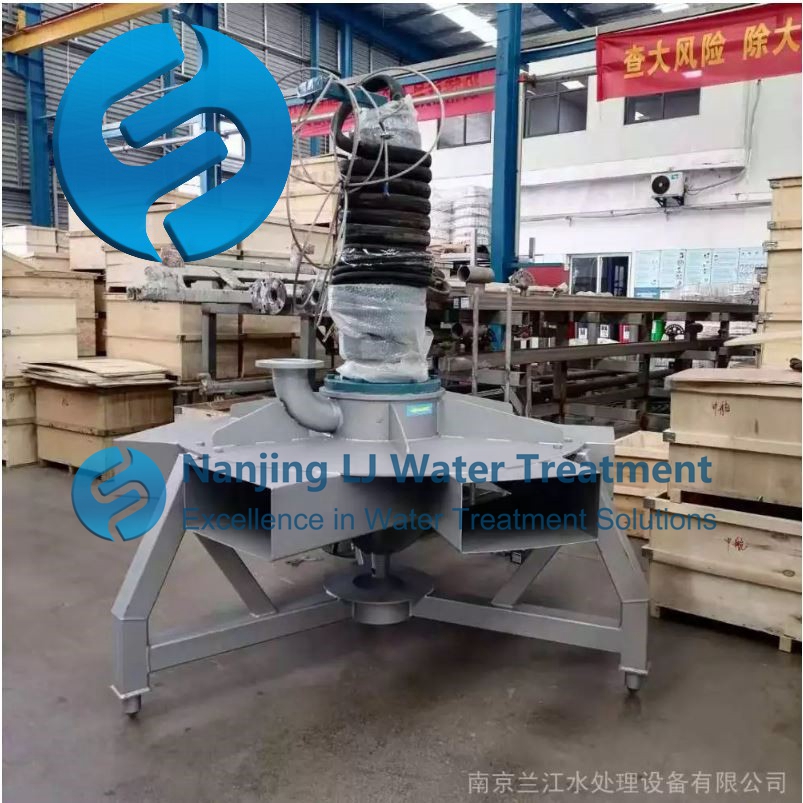
Immediate On-Site Stabilization Procedures
Start by redirecting all available water flow through existing waterfalls, spillways, or surface turbulence points. This passive oxygen transfer buys critical time while you isolate the malfunctioning unit. Do not stop all water movement entirely, even if the main aeration system appears offline.
Check for visible warning signs across the pond or tank. If fish cluster near remaining aeration points or show obvious signs of oxygen stress, stop all feeding immediately. Feeding increases biological oxygen demand and can worsen the situation before the mixer returns to normal operation.
Perform a 20 to 25 percent water exchange with fully dechlorinated water. This step dilutes accumulated ammonia, reduces metabolic load, and introduces new dissolved oxygen without shocking the aquatic population. Make sure incoming water temperature matches the existing water body as closely as possible.
Pressure and Air Supply Fault Diagnosis
Walk the full length of the air delivery line and apply a simple leak detection method across every joint, flange, and connection point. Small bubbles forming at a seam confirm a pressure loss that can starve the mixer of sufficient airflow. Even a single loose threaded connection can drop system pressure far enough to reduce aeration performance across an entire zone.
Check differential pressure readings at the mixer inlet and compare them to baseline operating values. If the measured pressure difference rises more than 50 percent above normal levels, internal fouling or partial blockage inside the mixer assembly is likely restricting airflow. This condition often develops gradually over several days before a full performance collapse.
Verify that no condensed water has pooled inside lower sections of the air piping. Trapped condensate adds unnecessary resistance, creates uneven air distribution, and can cause intermittent surges that make the mixer cycle on and off unpredictably. Opening low-point drain valves for a few seconds often restores normal line pressure without major disassembly.
Blockage and Mechanical Jam Clearing Protocols
Shut off all air supply and fully release system pressure before attempting any physical inspection. Never open mixer covers while the line remains pressurized, as sudden air release can push debris back into surrounding piping or damage internal components.
Inspect the mixer inlet and rotating assembly for accumulated sediment, organic debris, or trapped fish waste. If solid material has wedged around moving parts, carefully extract it without prying or applying excessive force that could bend shafts or scratch sealing surfaces. Once cleared, manually rotate the mechanism by hand to confirm smooth movement before restoring power.
If surface fouling on mixer elements is severe, use low-pressure flushing alongside a mild, food-safe cleaning solution that dissolves both inorganic scale and sticky organic layers. Soak affected components long enough to soften deposits, then rinse repeatedly until all residual cleaning agent is removed and pH levels return to neutral.
Post-Recovery Performance Validation
After restarting the aeration mixer, walk the entire water zone and observe bubble distribution across every section. Uniform, fine bubble patterns confirm that airflow has returned to normal. Large uneven bubbles or completely silent spots indicate remaining leaks, partial blockages, or misaligned internal elements that still need attention.
Monitor dissolved oxygen levels at multiple depths over the next several hours. Pay special attention to deep zones and corners farthest from the main aeration point. These areas often recover oxygen much more slowly and can remain at risky levels even after surface readings appear acceptable.
Track motor current, operating noise, and air delivery consistency for at least one full operating cycle. If current draw stays higher than baseline or unusual vibration appears, the mixer may still carry residual stress from the jam or blockage. Document these readings so future operators can compare performance and catch early warning signs before a full emergency develops.
Post time:2026-09-15
