If you notice large, uneven bubbles rising across your aeration basin, tank, or aquaculture system, you are not just looking at a minor visual issue. Poor bubble dispersion directly lowers dissolved oxygen transfer, wastes blower energy, and creates dead mixing zones that hurt overall process stability. Many operators jump straight to replacing components, but most bubble size and distribution problems can be diagnosed and corrected through structured, step-by-step checks and adjustments.
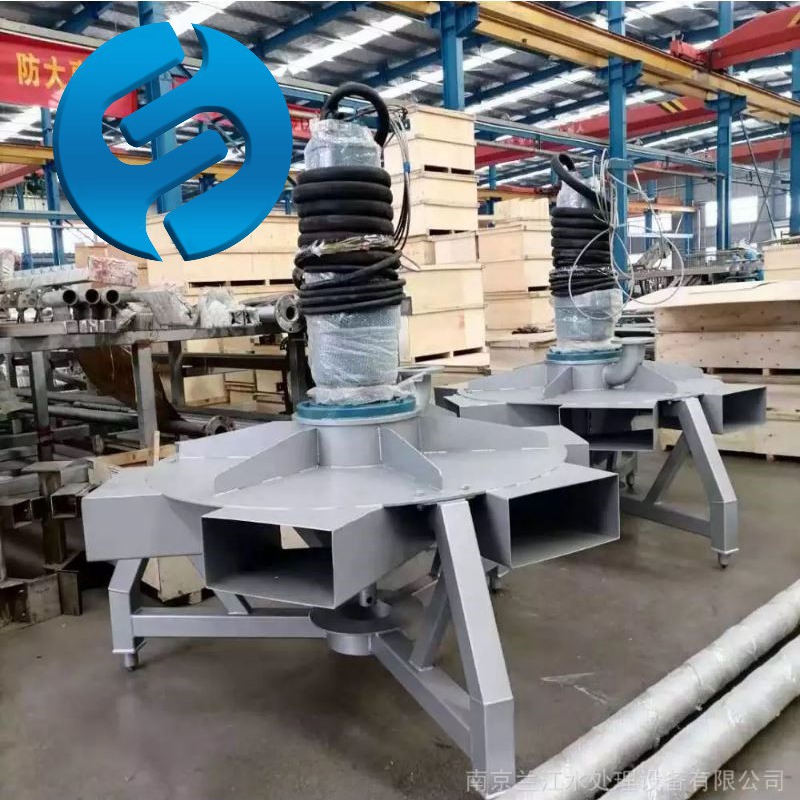
Core causes of oversized bubbles and poor dispersion
Large bubbles almost never appear out of nowhere. They usually develop gradually after weeks or months of continuous operation, or show up immediately after recent maintenance, installation, or system modification.
Clogging and surface fouling at the gas-liquid interface
Over time, suspended solids, biological slime, mineral deposits, and oily residues begin to attach to the surfaces where air first exits into the water. These deposits cover fine openings, distort airflow patterns, and force multiple small air streams to merge into a single large bubble before it can break apart properly. Even a thin, uneven layer of fouling can drastically reduce the original shearing and dispersing effect that was designed into the system.
Airflow imbalance across connected branches
When multiple aeration points share one common air supply line, uneven valve positioning, minor internal leaks, or inconsistent line resistance can create uneven pressure distribution. Some sections receive far more air volume than they were designed for, pushing out thick, fast-rising bubbles that do not stay in contact with the water long enough. Other nearby points may receive too little flow, creating quiet zones with almost no effective mixing.
Mechanical damage to internal flow guidance structures
Internal components that spin, split, or tear incoming air streams can wear, shift, crack, or loosen after repeated exposure to vibration, water hammer, and solid particle impact. Once these structures no longer hold their original shape and alignment, air passes through in a straight, unobstructed path instead of being repeatedly sheared and divided. The result is a steady stream of large, poorly dispersed bubbles that cannot deliver the expected oxygen transfer.
Field troubleshooting sequence for immediate improvement
You do not need to shut down the entire system for days to fix oversized bubble problems. Start inspections from the supply side and work your way toward the water contact zone, so you can rule out simple issues before touching submerged components.
Verify baseline pressure and valve balance
First, record stable operating pressure at the main blower outlet while the system runs under normal conditions. Then walk along the air distribution network and adjust branch valves one section at a time, watching the water surface response after each small adjustment. The goal is to spread airflow evenly across the whole basin instead of overfeeding one area. If one section still shows extremely large bubbles even after its valve is partially closed, that is a strong sign that local fouling or blockage is forcing excess air through a smaller number of remaining openings.
Perform partial online flushing for light blockages
For sections showing early signs of uneven bubbling, you can temporarily open the local supply valve wider than normal for a short period. The increased flow velocity may push away soft surface deposits and clear partially blocked openings without full disassembly. This method works best when fouling is still thin and loosely attached, and it often restores much finer bubble distribution after just a few minutes of targeted flushing.
Inspect submerged elements during scheduled downtime
When you can arrange a short maintenance window, lift or drain enough water to reach the aeration units. Wipe and inspect the air exit surfaces carefully, and check for any shifted, broken, or misaligned internal parts. Even a small piece of loose debris stuck near the airflow path can create a local jet effect that generates large bubbles across a surprisingly wide area.
Long-term adjustments to keep fine bubble performance stable
After you resolve the immediate large bubble problem, a few simple operational habits will help you maintain good dispersion and avoid repeated performance drops.
Establish regular visual mapping records
Take quick notes or reference photos of bubble distribution across the basin every one to two weeks. Mark down which areas start to show larger bubbles first, and note the corresponding operating pressure reading. Over several months, this record will help you spot slow fouling trends long before they turn into serious efficiency issues. You will no longer wait until dissolved oxygen readings drop sharply before noticing that something has changed.
Match cleaning cycles to actual water conditions
Instead of following a generic fixed cleaning schedule, adjust your maintenance frequency based on the actual fouling rate you observe. Systems processing high grease, high mineral hardness, or high solid loading will naturally accumulate deposits faster than cleaner applications. Gentle soaking followed by low-pressure rinsing, done before fouling becomes severe, will preserve the original fine-shearing surface properties far better than waiting until heavy scaling forces aggressive cleaning.
Avoid unnecessary overpressure operation
Many operators respond to low dissolved oxygen by simply turning up blower pressure. This habit forces far more air through each opening than the system was designed for, and it directly causes larger, faster-rising bubbles that actually reduce oxygen transfer efficiency per unit of air. Balanced valve adjustment, periodic surface cleaning, and minor flow guidance alignment will almost always deliver better, more stable results than running the blower at unnecessarily high output.
Post time:2026-09-13
